Thailand
Can a foreigner buy in Thailand? Yes — but only two ways.
Not “foreigners can buy land”, not “90-year leases”. A unit registered under the Condominium Act, freehold inside a 49% quota — or a building on leased land, with the money coming from abroad.
Condominium unit
✓ Freehold in your name
Inside the building’s 49% foreign quota
Land
✕ Never
No structure makes Thai land yours
Villa
◐ Condo-registered, or leased
Freehold unit, or a 30-year lease with the building secured separately
RULE 01
49% of saleable area
Per building, measured in square metres — not units. The proposal to raise it to 75% stalled; nothing has passed.
RULE 02
The building, not the ground
What is freehold is the unit. Renewals beyond the first 30 years are not enforceable.
RULE 03
Funds from abroad
The full price in foreign currency; the FET form is checked at the Land Office and again when you repatriate.
There is no fourth route. A Thai company holding the land for you is a nominee arrangement: about 46,000 suspected companies were screened in 2025, with confiscation and criminal liability as real outcomes.
What “freehold villa” means in Phuket. The project is registered under the Condominium Act, so what you own freehold is the unit, not the ground it sits on — a chanote in your name, with the 49% quota still applying to the building.
Why the lease clause matters. Until March 2025, agents sold “30+30+30” as a 90-year right. The Supreme Court held that pre-agreed renewals beyond the first 30 years are not enforceable: each renewal is a fresh negotiation.
The money rule is separate. Even a freehold unit cannot be paid for with baht already in Thailand. The full price has to arrive as foreign currency.
What it costs
Buying costs, split by who actually pays
The transfer fee is charged on the Land Department’s appraised value, not the price you agreed — and it is the one line both sides share, so it sits at the top of both columns.
As the buyer you pay
Transfer feeyour half, on appraised value1%
Legal and due diligenceyour own lawyeryour cost
Booking feededucted from the priceTHB 10k–200k
Maintenanceone year in advance at handoverat transfer
The seller pays
Transfer feetheir half, on appraised value1%
Stamp dutyonly when SBT does not apply0.5%
Specific Business Taxif held under 5 years3.3%
Withholding taxthe de facto capital gains tax1% / progressive
Then every year, whoever owns it: land and building tax 0.02–0.10% of appraised value on a home you use (first THB 10m of building value exempt), 0.30–0.70% if it is let out; rental income taxed progressively to 35% after a 30% standard deduction.
The 0.01% promotional transfer rate you may have read about is for Thai nationals buying under THB 7m; a foreign buyer pays the full 2%, split with the seller by negotiation.
How it is bought
Five steps, and two payments that carry the price
From a Thai developer the order is predictable: a small booking, the deposit at contract, then the balance at completion. Each developer sets its own schedule — get yours in the sale and purchase agreement.
Where the money goes
01
Booking
Reservation fee, deducted from the priceTHB 10,000 – 200,000
02
Contract and deposit
Sign the sale and purchase agreement within about 14 days10–30% of the price, less the booking fee
03
Payments
Instalments as the building rises, or one balance at completion70–90%
04
Funds from abroad
Full price in foreign currency; the bank issues the FET formFET — needed at transfer and at repatriation
05
Transfer
Sign at the Land Office; the chanote is issued in your name+1% transfer fee, one year maintenance, utility deposits
Do not pay the balance before the quota letter and the chanote check are done — that is what the deposit period is for.
Paying for it
Thailand is mostly a cash market for foreigners
A Thai bank will not normally lend to a buyer with no Thai income. The exception is a cross-border loan taken out in Singapore, and it is narrower than it sounds.
Thai bank mortgage
Requires Thai-source income — a work permit and local payroll. Without it, a foreign buyer is not a lending case.
In practice: no
UOB Singapore, cross-border
Lends against Thai property for Singapore-based buyers, in SGD.
up to 70% LTV · min THB 2m
Income test around SGD 100,000 a year; 70% is a ceiling, not an entitlement, and completed stock is easier to finance than off-plan.
Everything else is cash. Budget the currency: you are buying a THB asset with SGD, and the FET trace is what lets the money come back.
Where
Three cities, three different buyers
Rental yield ranges below are as published by the sources named in the footnotes, not audited returns. Our stock counts are exact.
🏙️
25on sale
Bangkok
Urban investor
Rental yield range
4–7%
Our entry price
THB 2.16m
Rama 9 is our centre of gravity — the new CBD around the MRTA interchange — with Sukhumvit and Sathorn beside it. Prime CBD supply stays tight.
🏝️
3on sale
Phuket
Own-stay buyer
Rental yield range
6–9%
Our entry price
THB 74.20m
Most of our buyers are buying to live in, not to let: villa-style freehold units and branded residences. Foreign buyers are 67% of this market.
🌊
1on sale
Pattaya
First-time buyer
Rental yield range
5–8%
Our entry price
On request
One project, on the EEC side — the land market around Bang Lamung has repriced hard on rail and port investment.
What we have
Our Thailand projects, one line each
Only projects still on sale. Prices are the developer’s published entry price in baht; where nothing is published the row says so.
| Project | From | Completion | Tenure |
|---|---|---|---|
Bangkok25 on sale · from THB 2.16m | |||
| THB 2.16m | Completed | Freehold | |
| THB 2.99m | Completed | Freehold | |
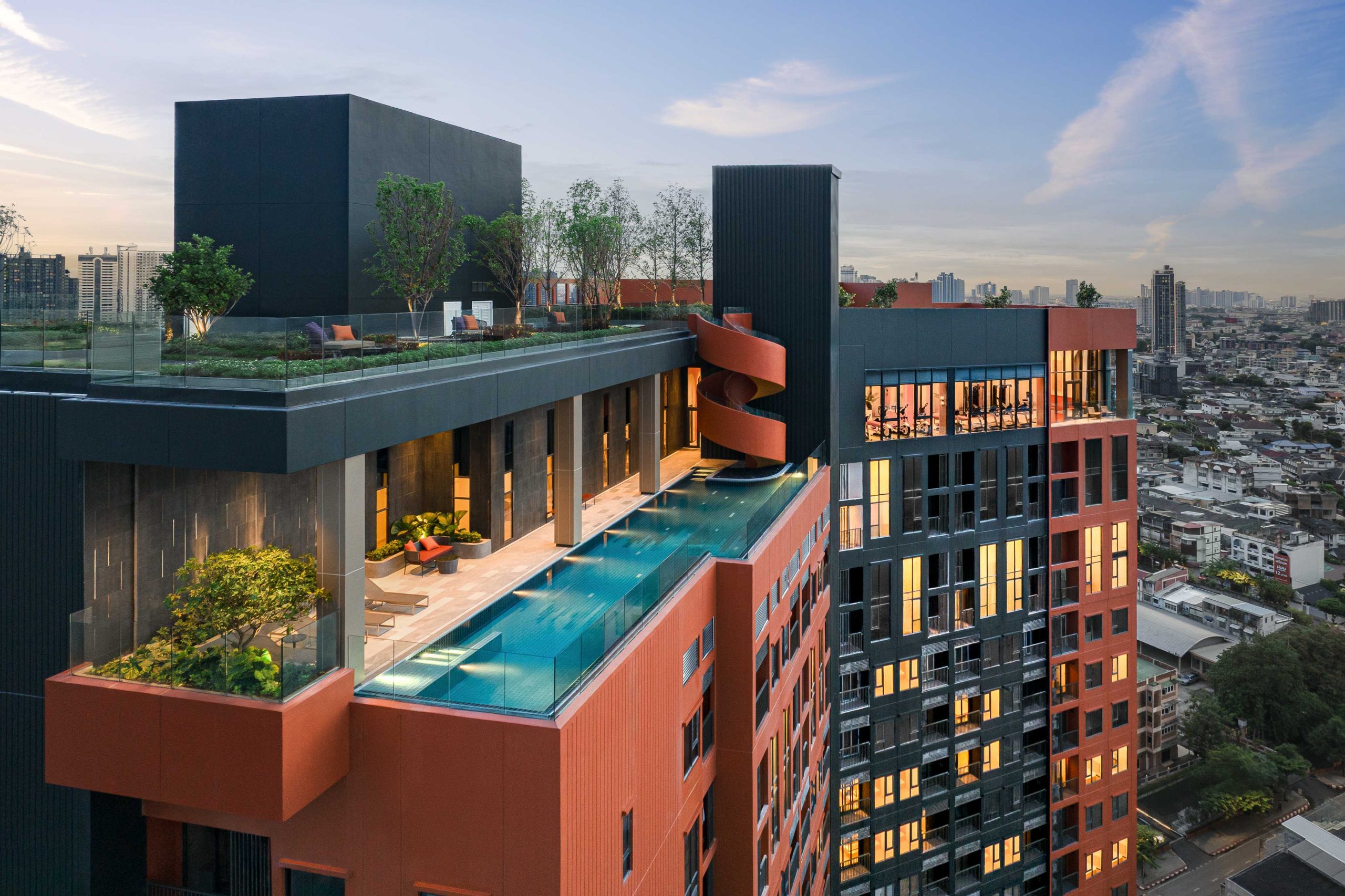 FLO by SansiriBangkok | THB 3.42m | Completed | Freehold |
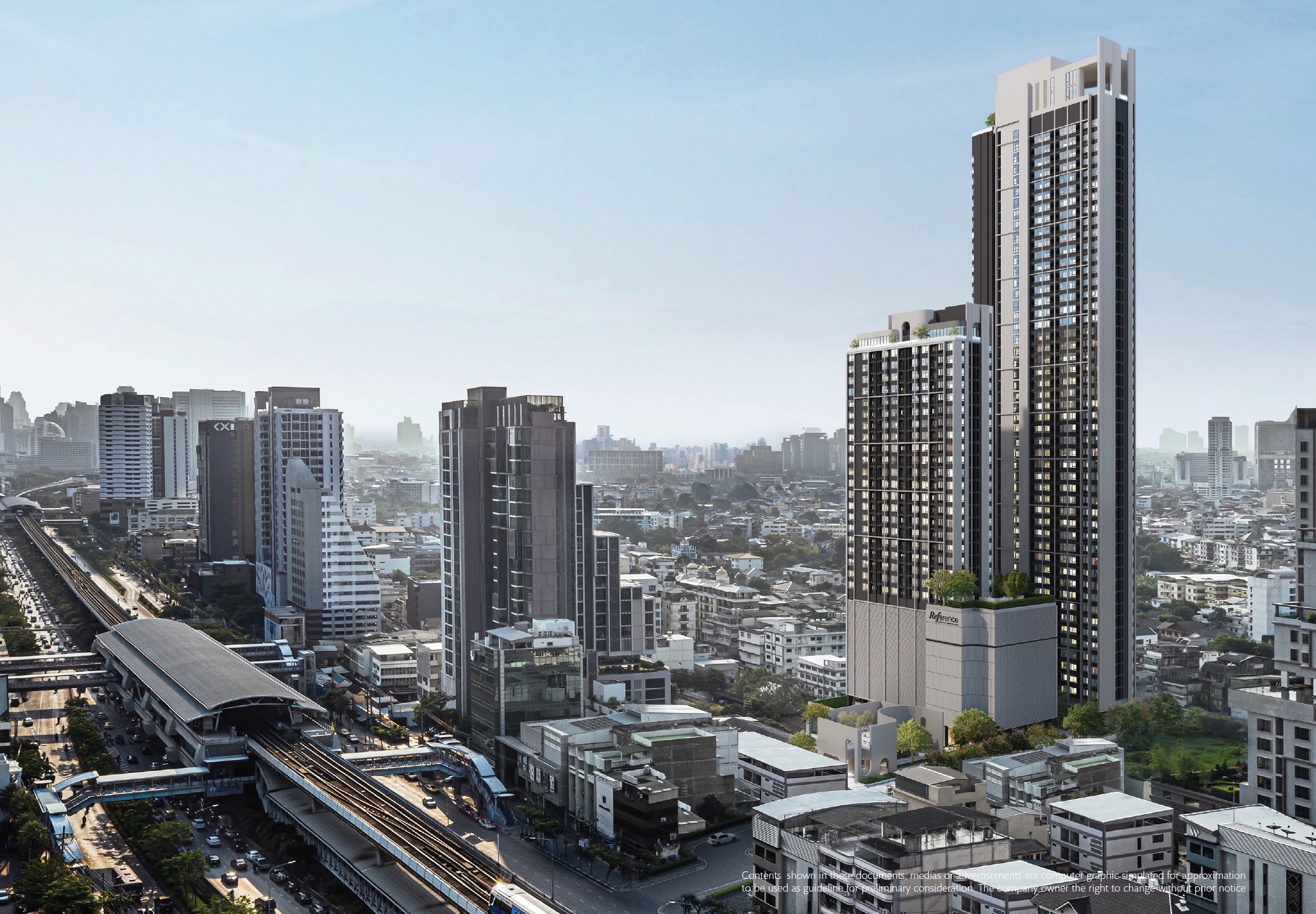 Reference SathornBangkok | THB 3.69m | Completed | Freehold |
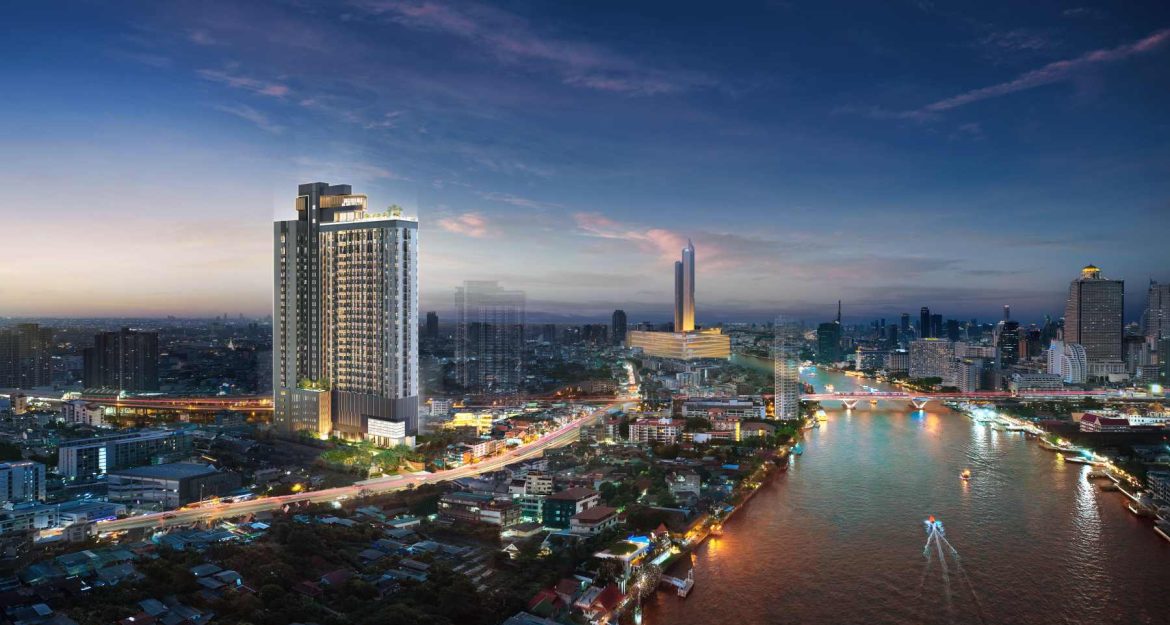 Life Charoennakhon SathornBangkok | THB 4.09m | 2026 | Freehold |
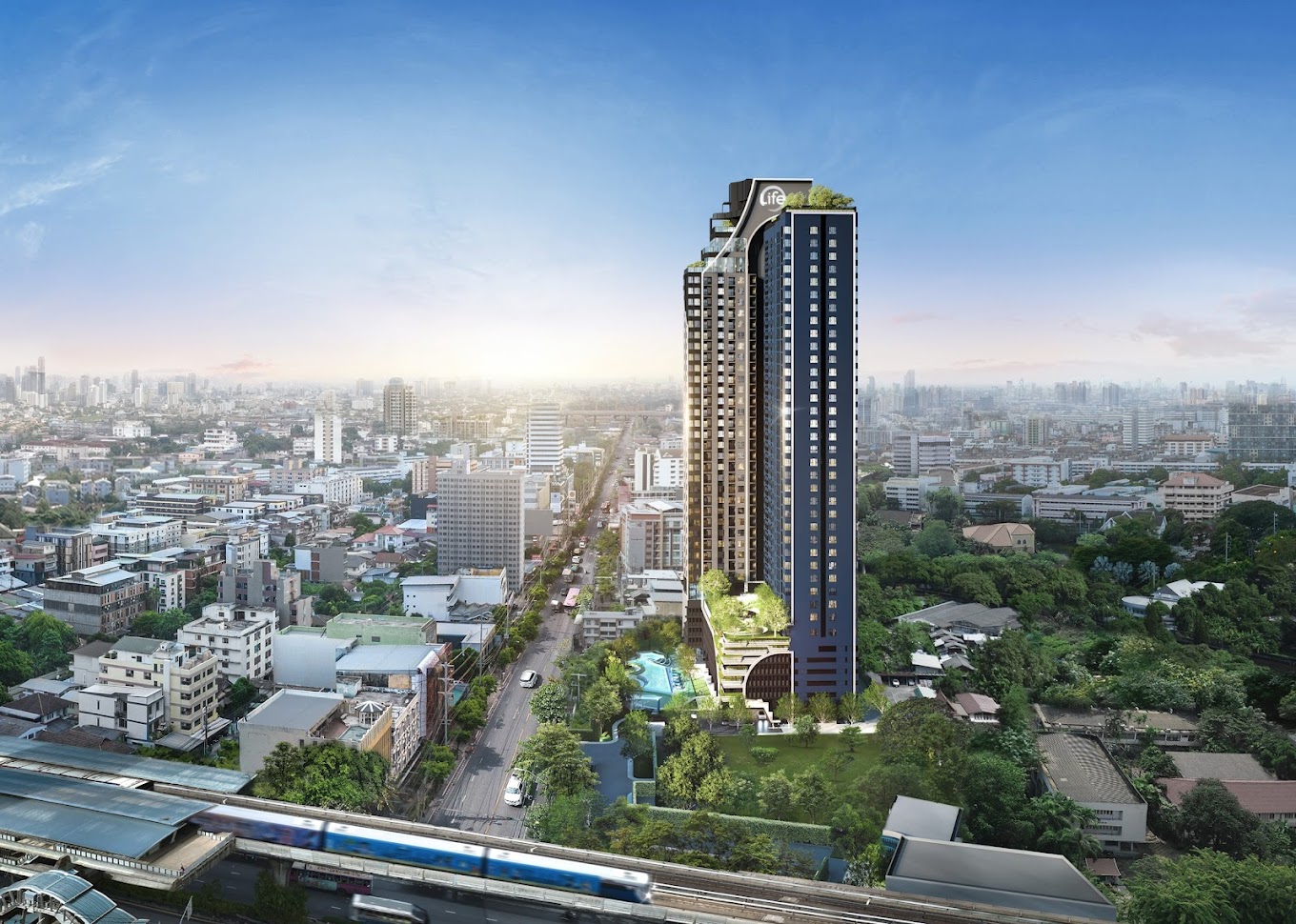 Life Udomsuk StationBangkok | THB 4.24m | 2028 | Freehold |
 Life Rama 4 - AsokeBangkok | THB 4.28m | Completed | Freehold |
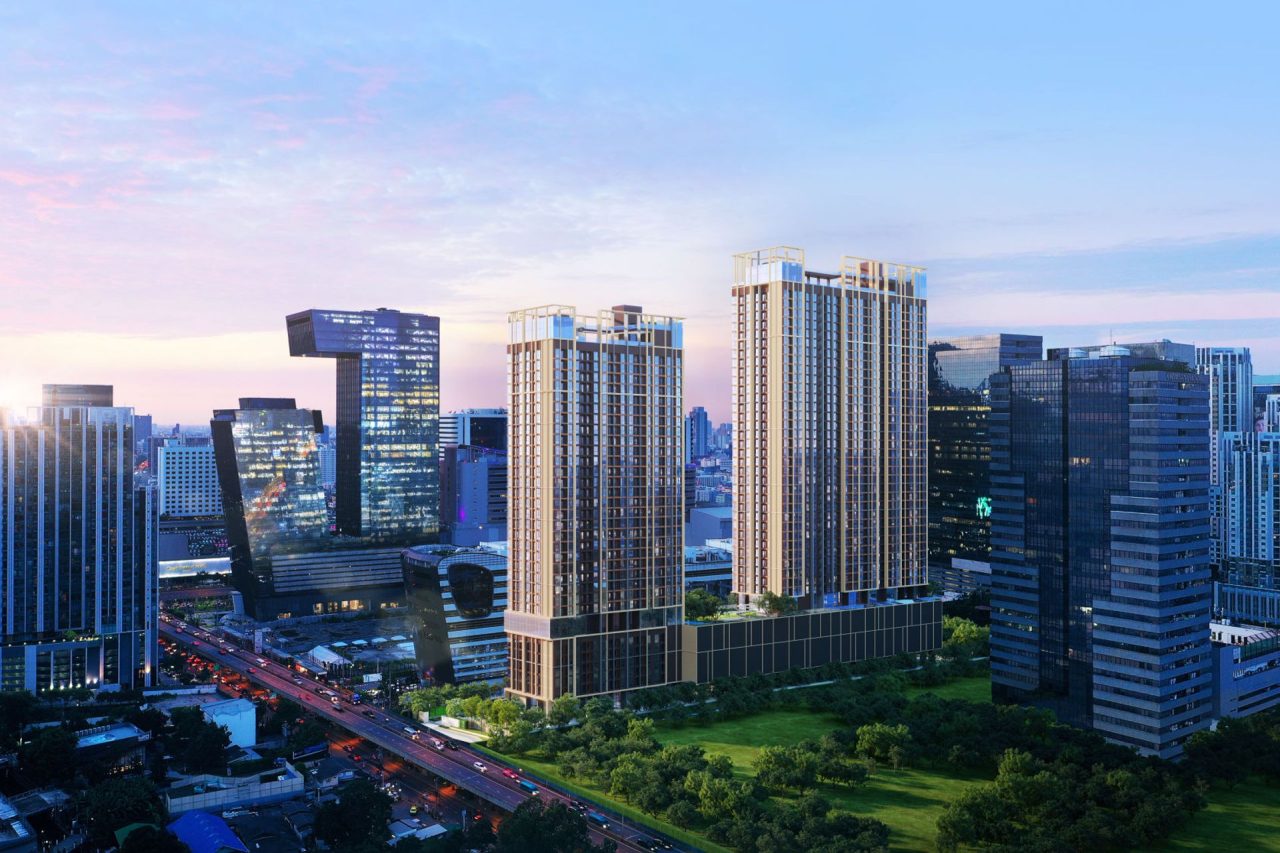 Noble Nue District R9Bangkok | THB 4.73m | Completed | Freehold |
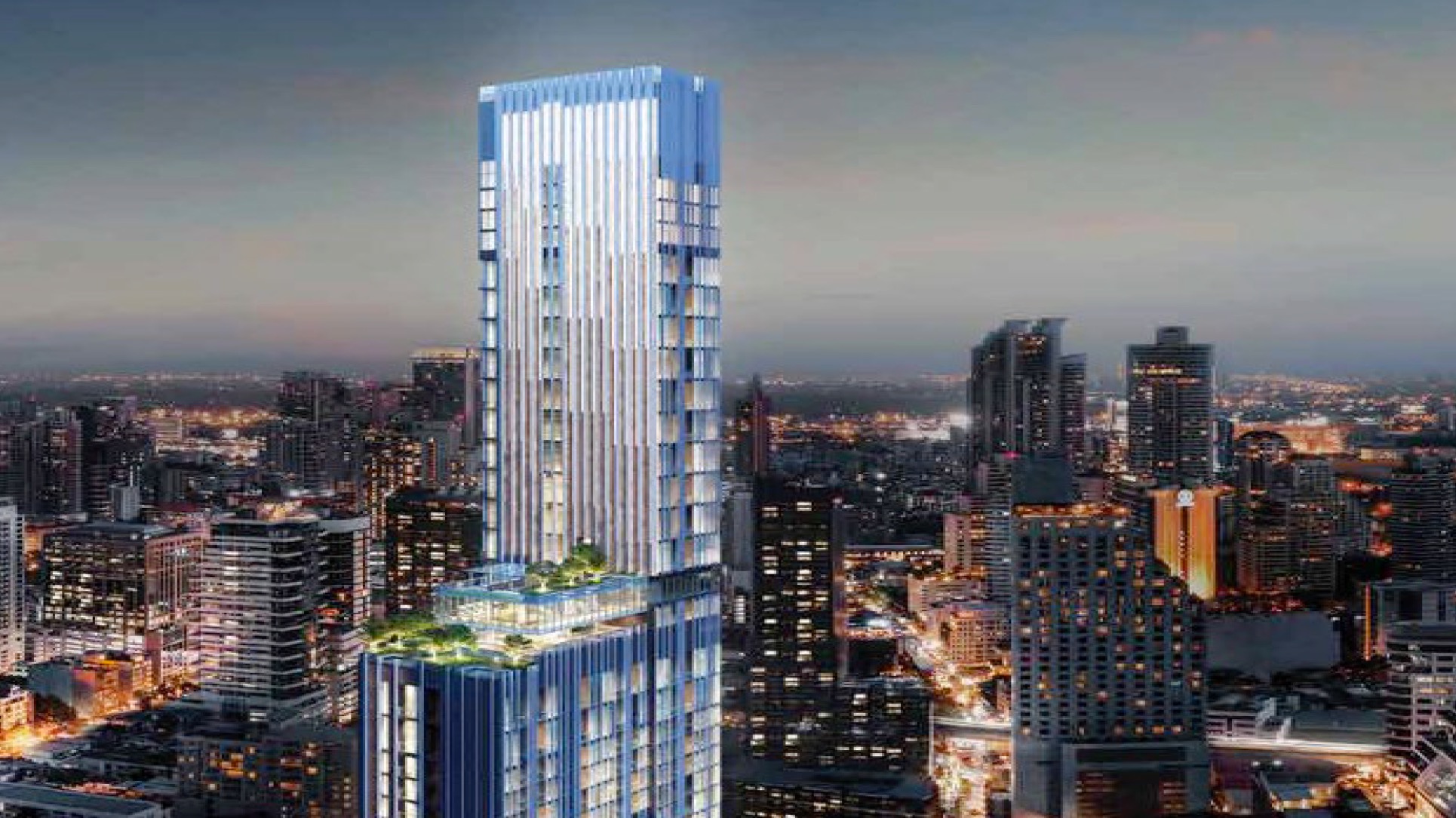 Cloud Sukhumvit 23 BangkokBangkok | THB 5.37m | 2026 | Freehold |
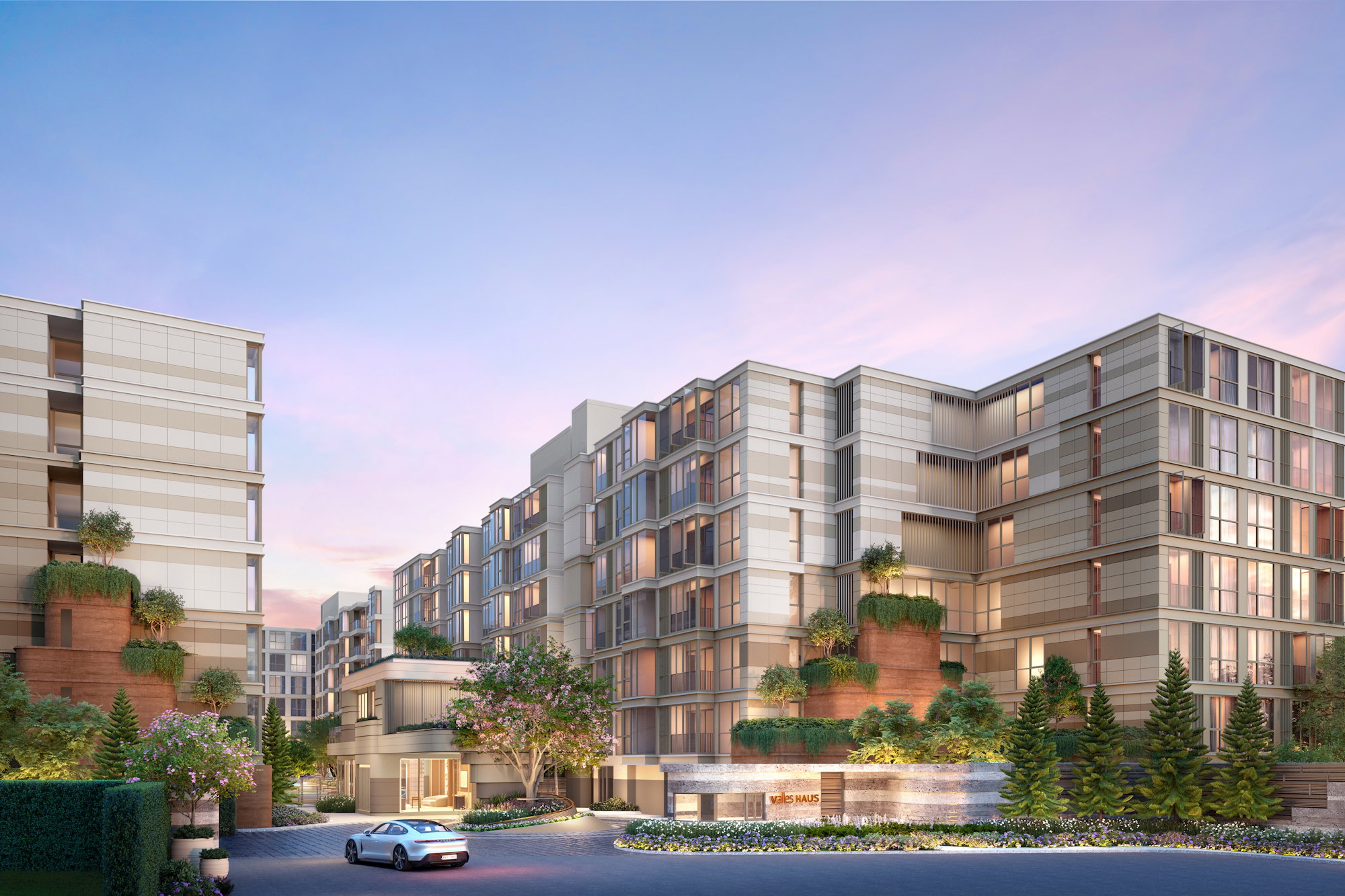 Valles HausBangkok | THB 5.51m | 2027 | Freehold |
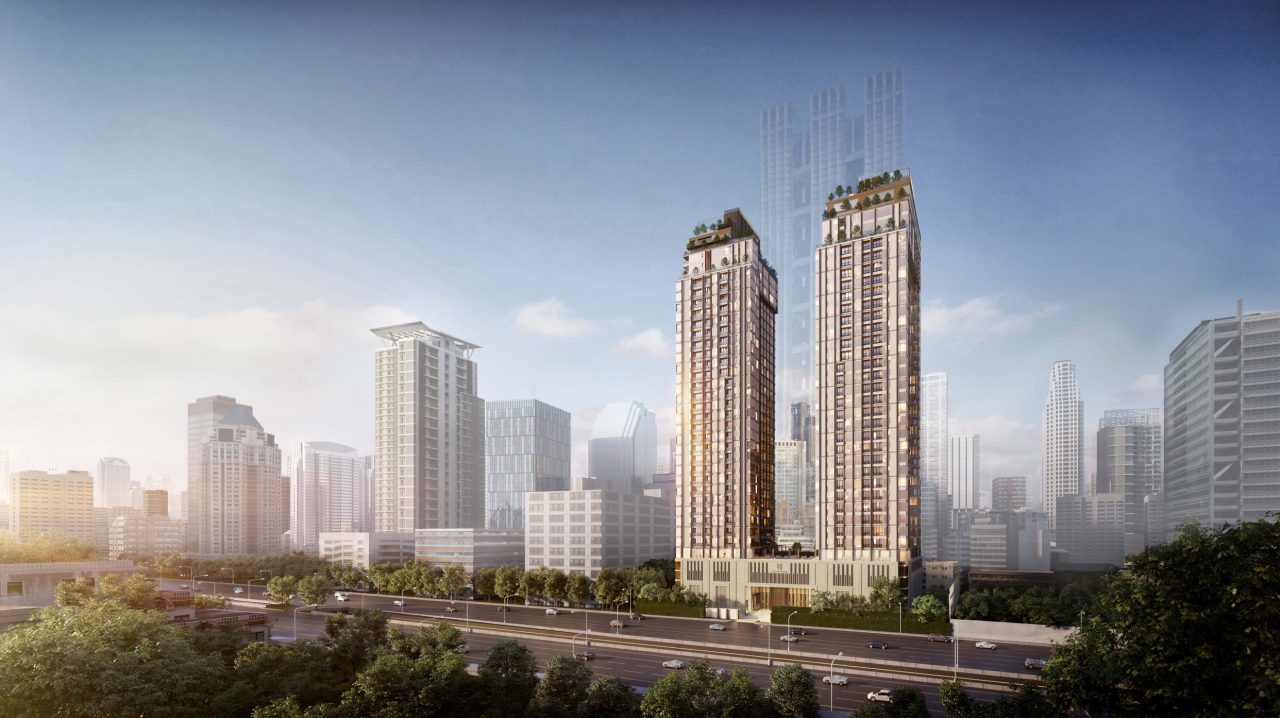 125 SathornBangkok | THB 6.44m | 2026 | Freehold |
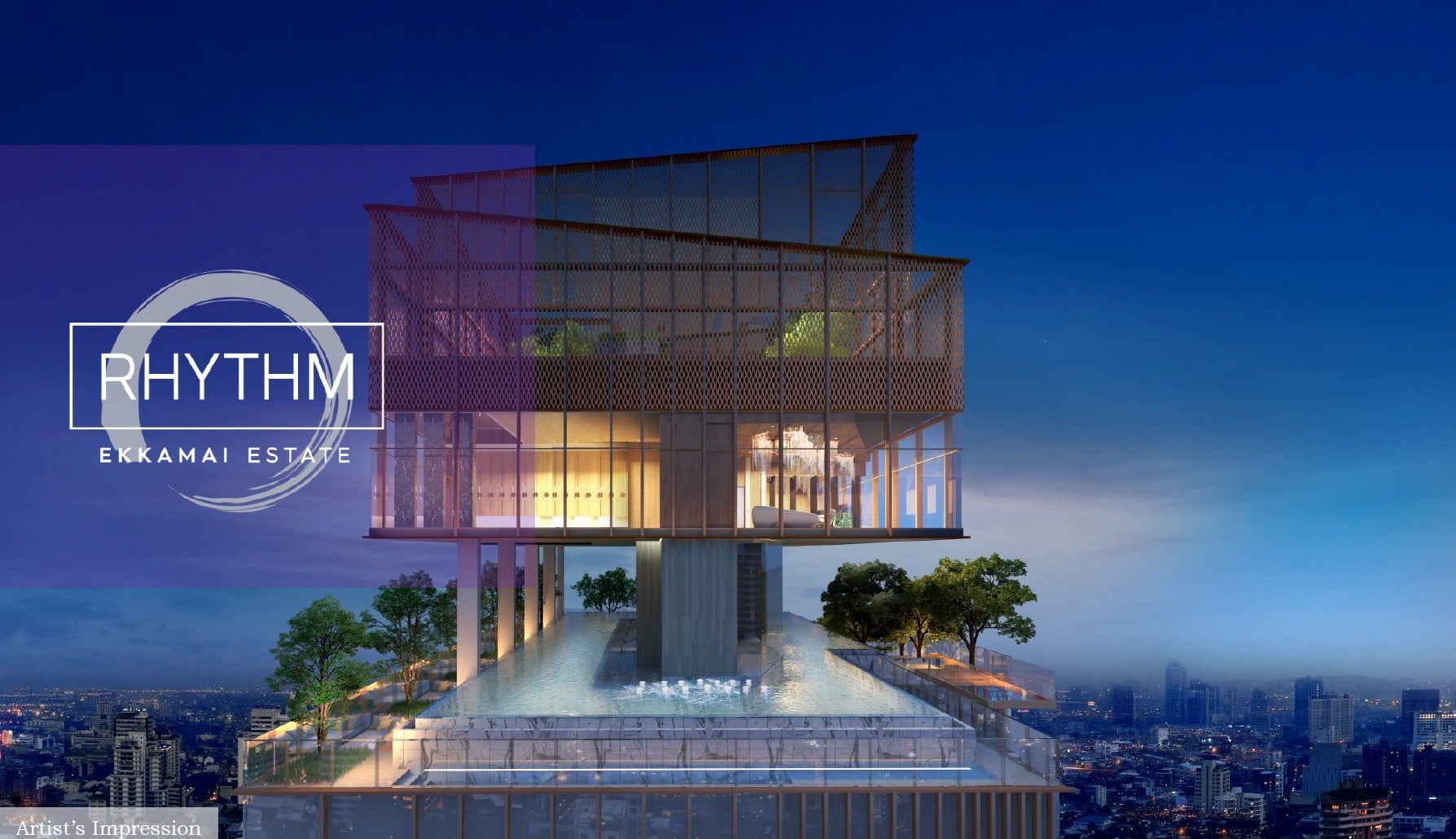 Rhythm Ekkamai EstateBangkok | THB 6.48m | Completed | Freehold |
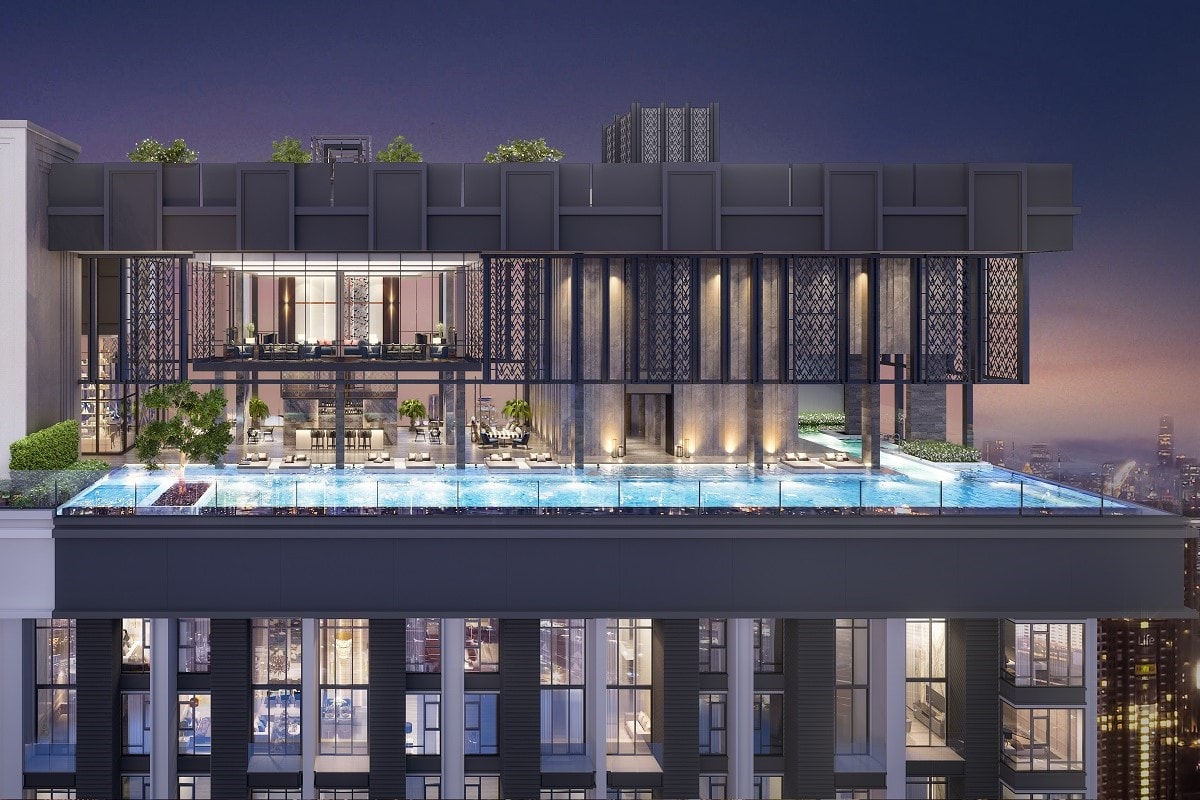 The Address Siam-RatchathewiBangkok | THB 7.51m | Completed | Freehold |
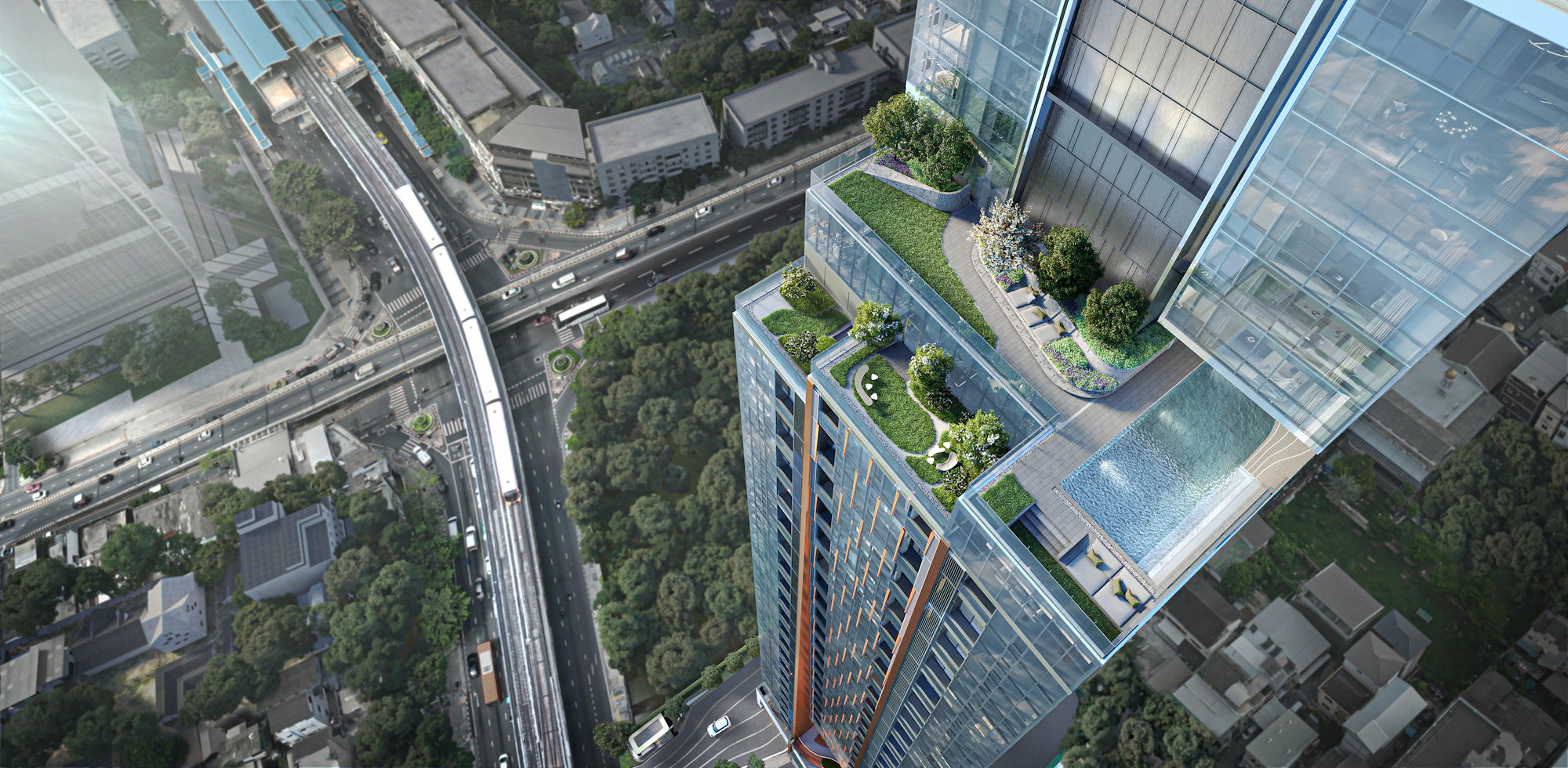 Shush RatchathewiBangkok | THB 10.01m | Completed | Freehold |
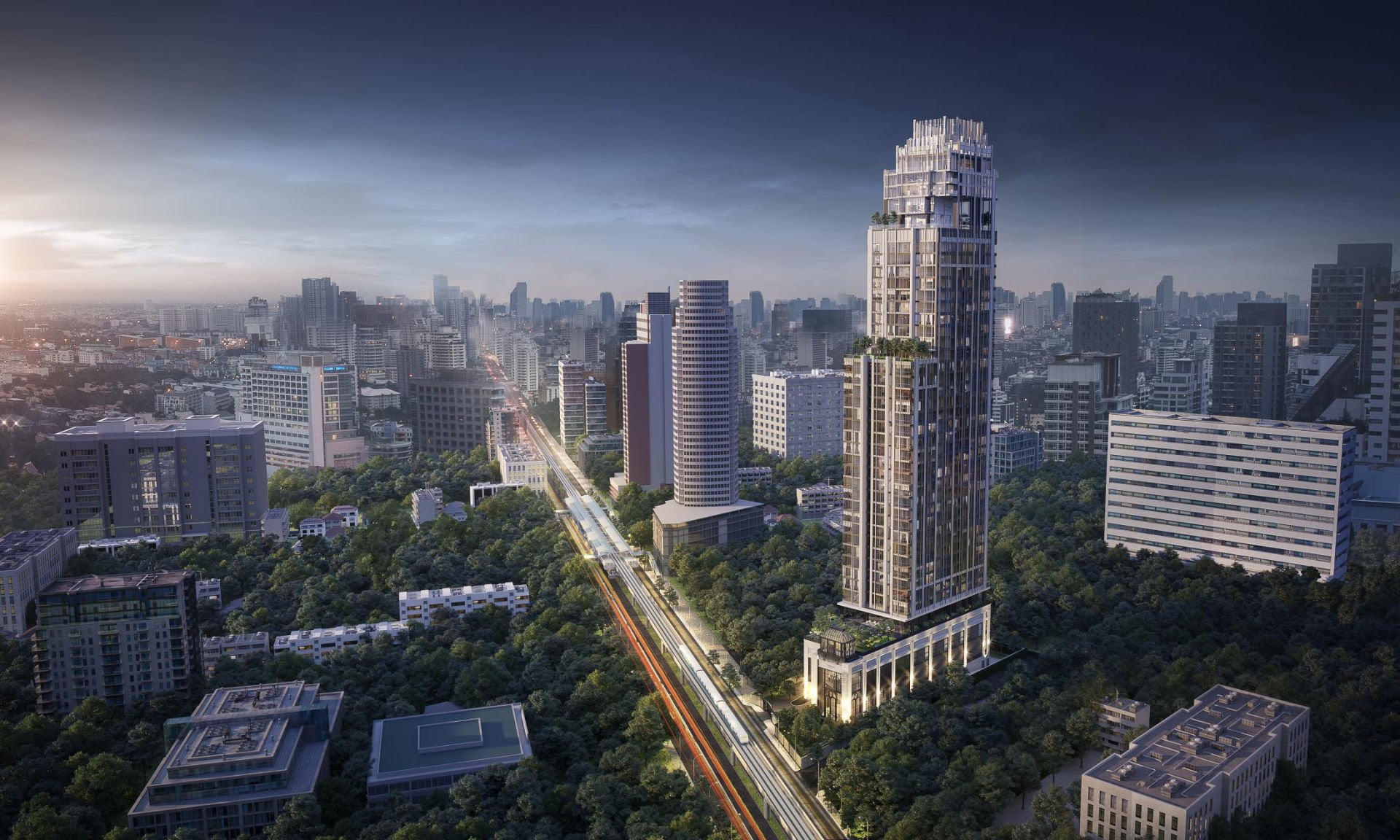 HYDE HERITAGE ThonglorBangkok | THB 11.43m | Completed | Freehold |
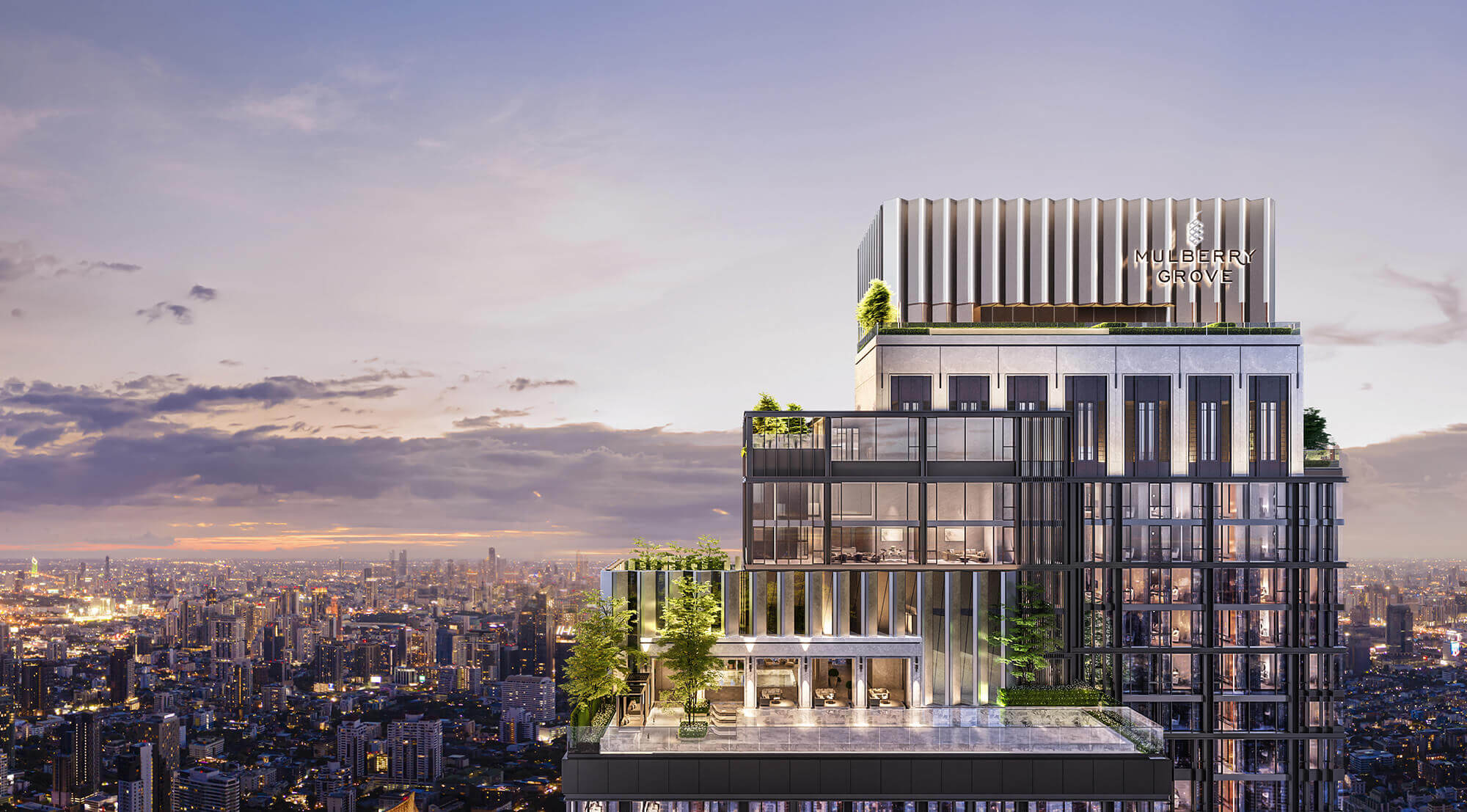 Mulberry Grove SukhumvitBangkok | THB 13.26m | Completed | Freehold |
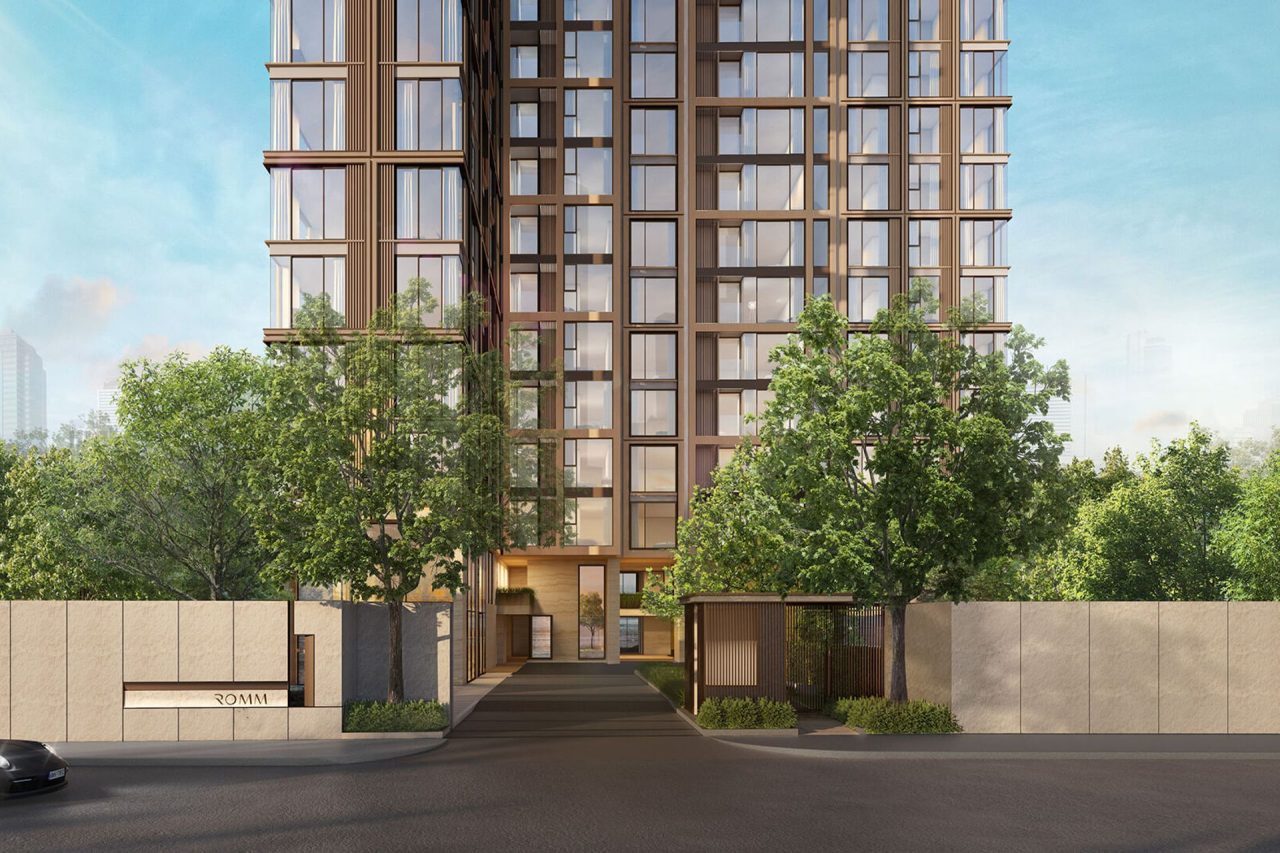 ROMM ConventBangkok | THB 21.50m | 2026 | Freehold |
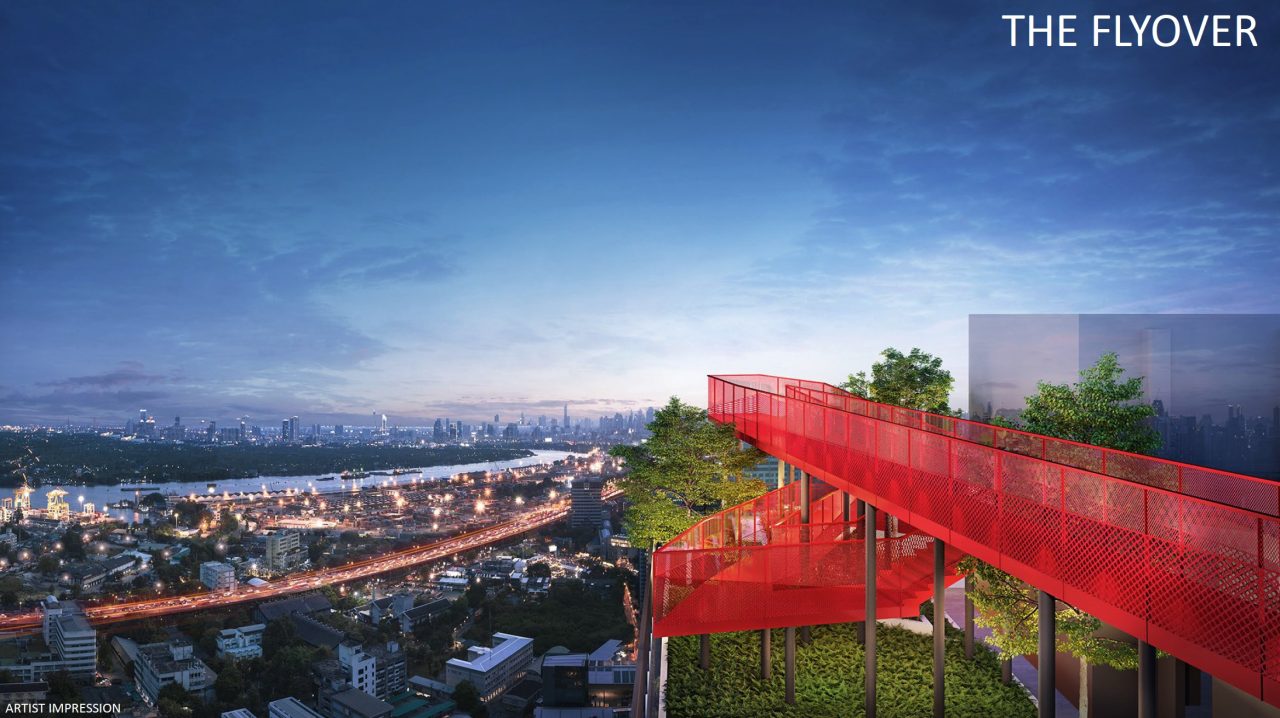 Aspire Sukhumvit Rama 4Bangkok | On request | 2025 | Freehold |
| On request | Completed | Freehold | |
 Ideo Chula - SamyanBangkok | On request | Completed | Freehold |
| On request | Completed | Freehold | |
 The LIVIN Phetkasem BangkokBangkok | On request | Completed | Freehold |
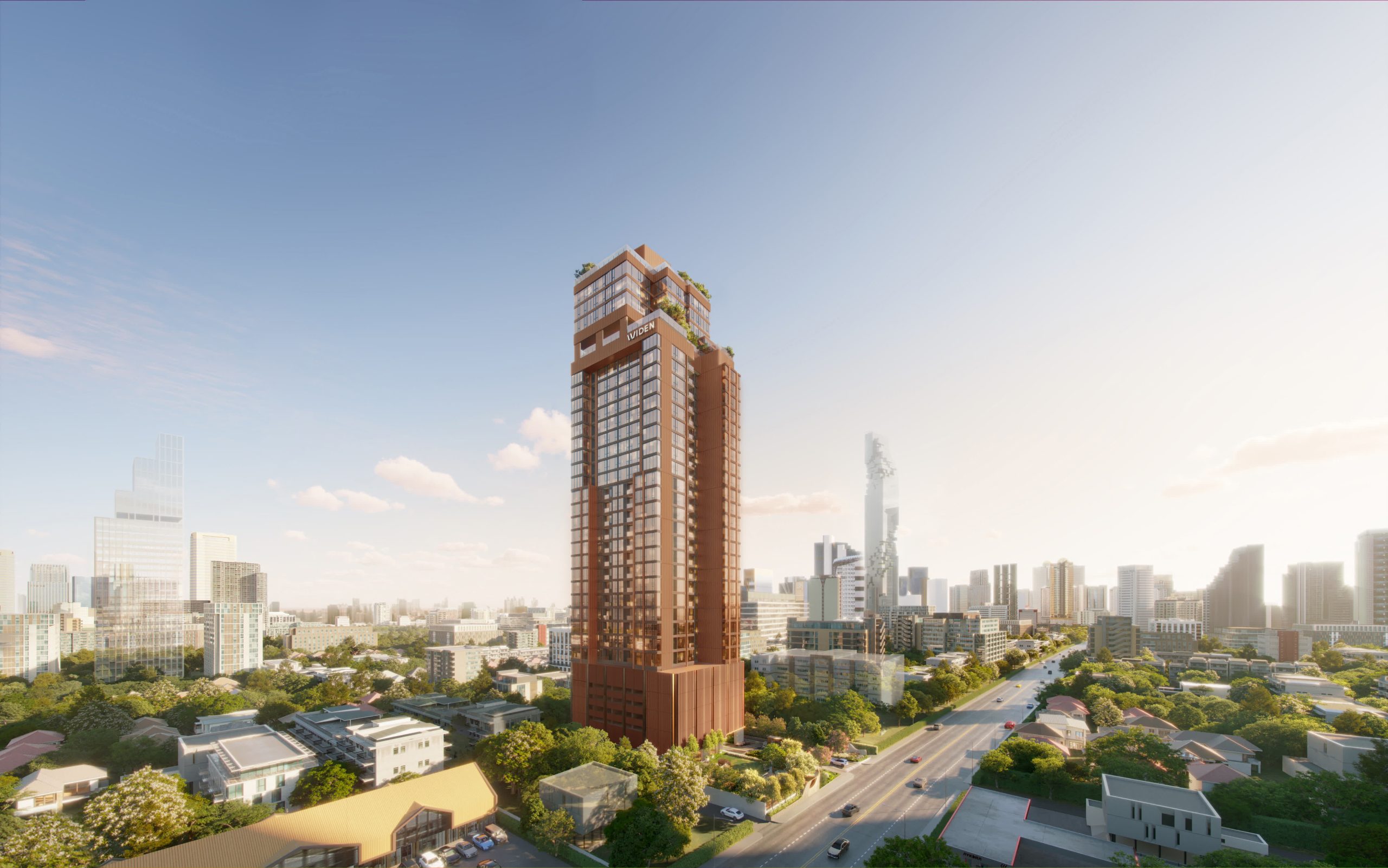 WIDEN by SansiriBangkok | On request | 2028 | Freehold |
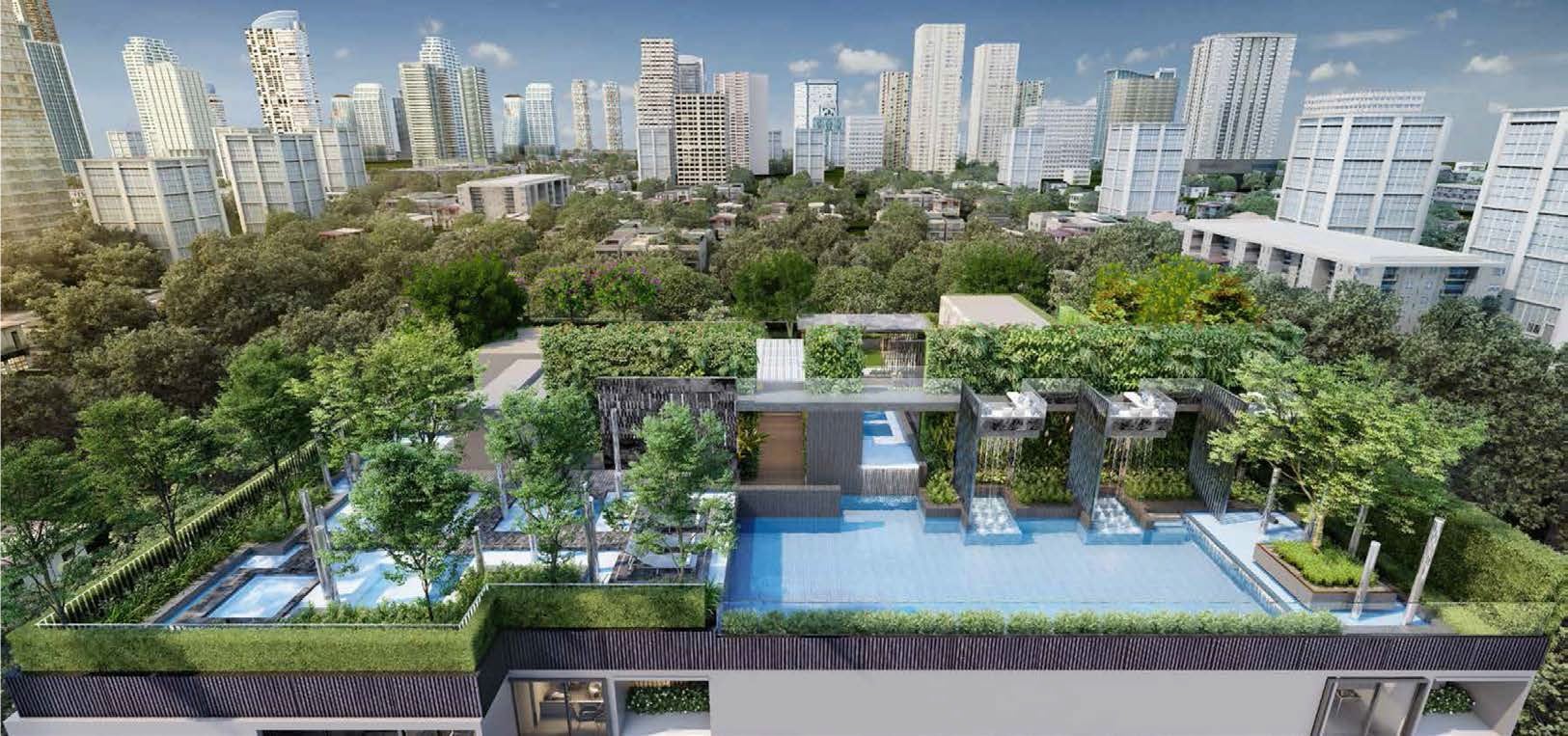 Walden Thonglor 8, BangkokBangkok | On request | Completed | Freehold |
| On request | Completed | Freehold | |
Phuket3 on sale · from THB 74.20m | |||
 Laguna LakelandsPhuket | THB 74.20m | 2027 | Freehold |
| On request | Completed | Freehold | |
 Skypark Celeste PhuketPhuket | On request | Completed | Freehold |
Pattaya1 on sale · from On request | |||
 Skypark LuceanPattaya | On request | 2028 | Freehold |
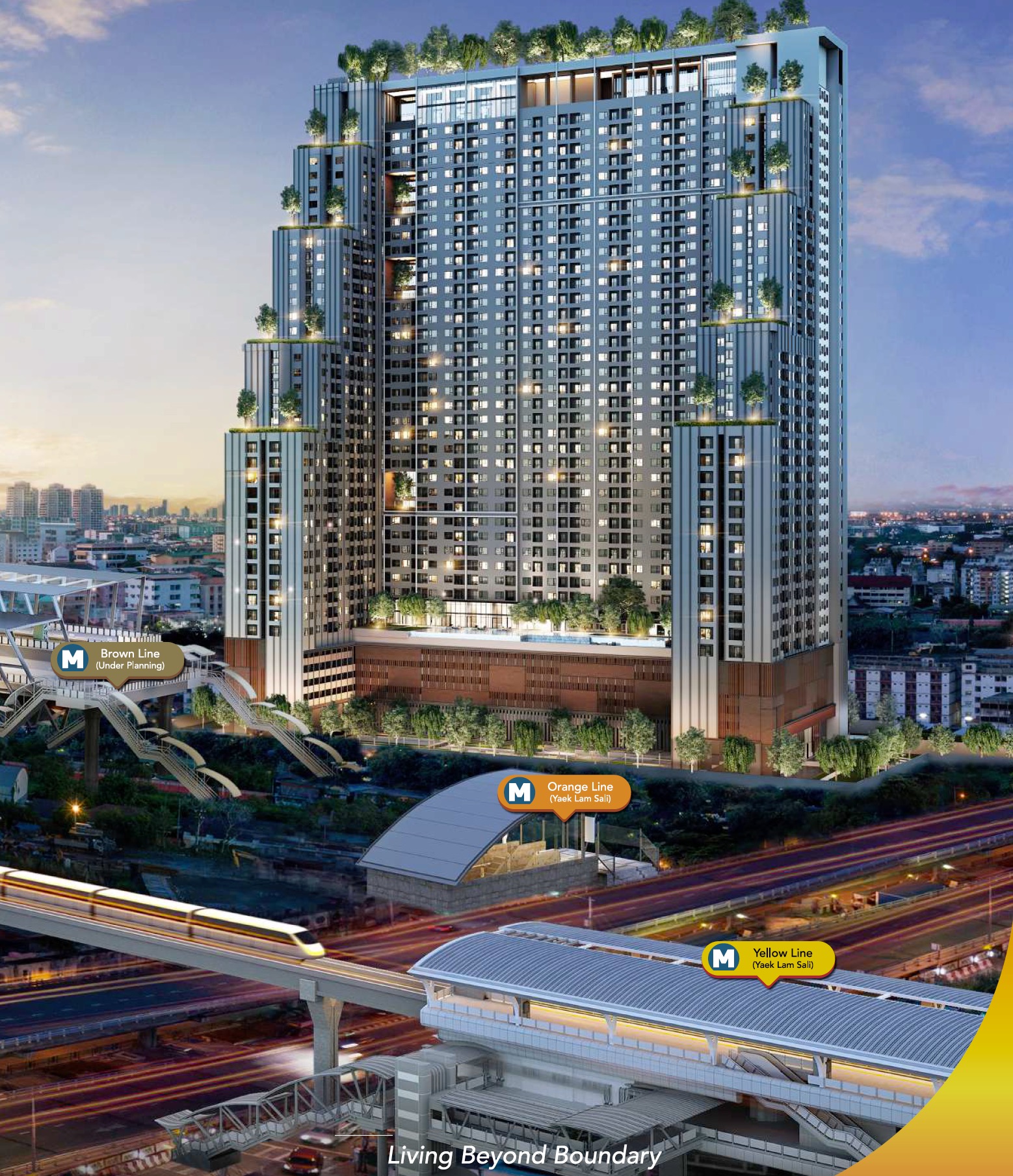

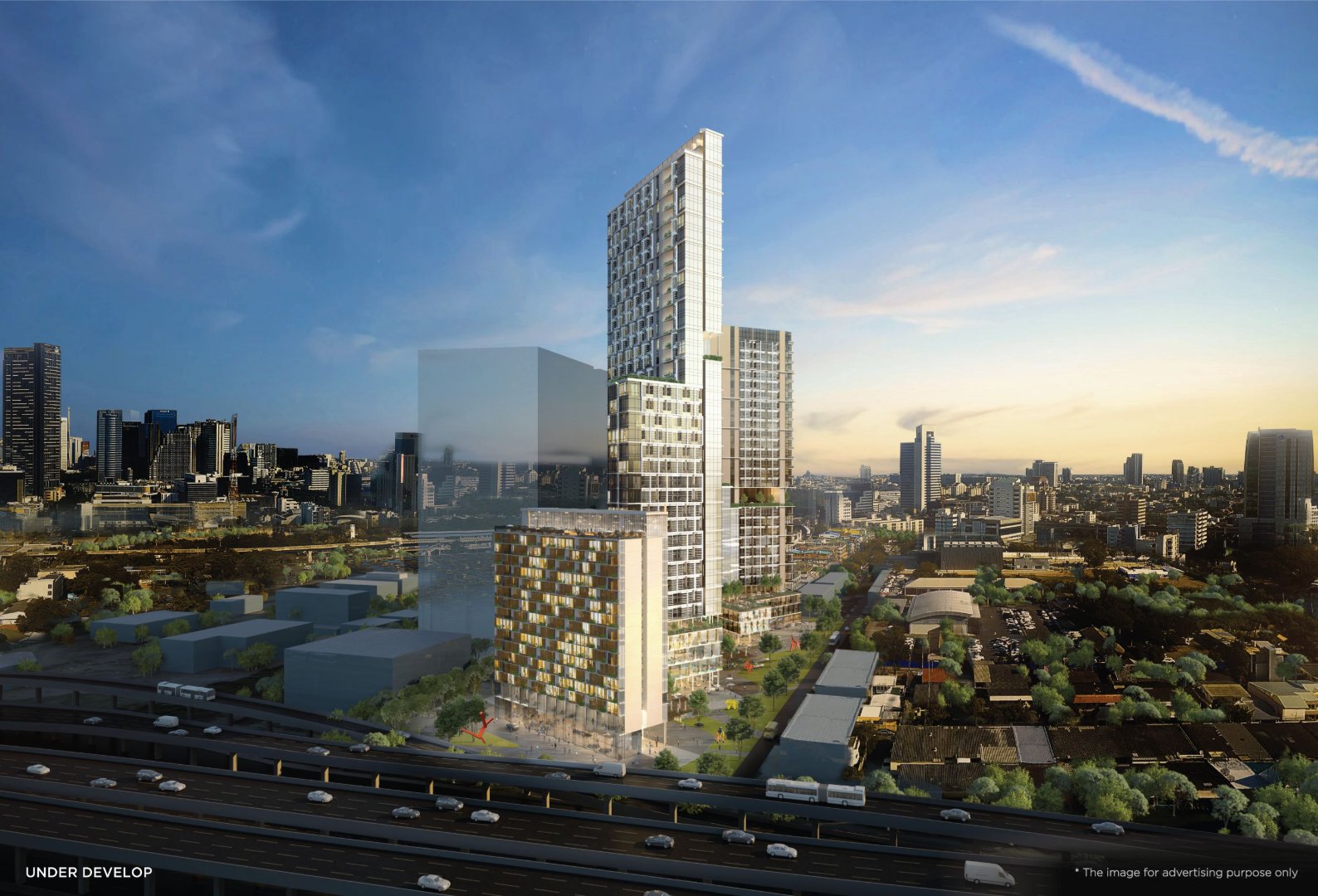
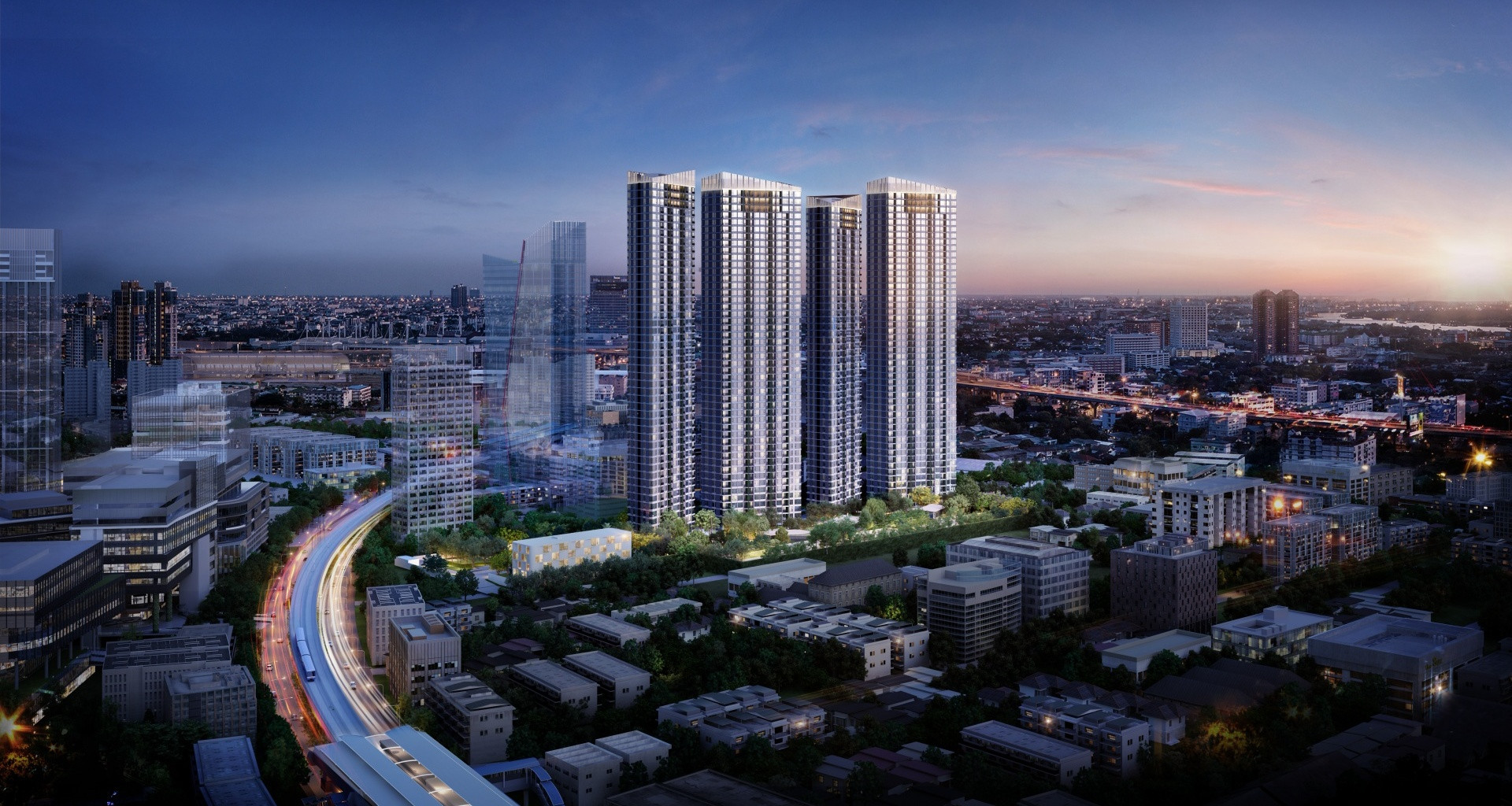

The market in 2026
Two markets, not one
The domestic mass market is being squeezed by mortgage rejections; the internationally funded end is a different market. A guide that averages the two tells you nothing.
REIC via Savills (Dec 2025) · CBRE and Savills Thailand via Bangkok Post (9 Nov 2026)
Selling it later
The longer you hold, the less withholding tax you pay
There is no capital gains tax for individuals. The Land Office withholds on the appraised value, minus a deduction that depends on how many years you held it — which is the difference between a two-year flip and an eight-year hold.
The shorter the hold, the smaller the deduction — and the higher the tax. At eight years half the appraised value is deducted before the rate is applied.
How it is calculated. Take the appraised value, subtract the deduction for your holding period, divide by the years held, treat that as one year’s income and apply the progressive 5–35% rate. The result is withheld at the Land Office on the day of transfer.
Also at the exit. Specific Business Tax 3.3% if you sell within five years, stamp duty 0.5% if you hold longer (never both), and the 2% transfer fee on the appraised value, usually split.
Getting the money out. Your FET form and the bank’s credit advice are what allow the proceeds to leave Thailand. Lose them and the sale becomes a negotiation with the bank instead of a formality.
Questions
Frequently asked
01
Can a foreigner own property in Thailand?
Yes, but only in specific forms: a unit registered under the Condominium Act, freehold in your name within the building’s 49% foreign quota, or a thirty-year registered lease over land with the building secured separately. Land itself cannot be owned by a foreigner.
02
So what am I buying when a Phuket villa is sold as freehold?
The unit, registered as a condominium — including villa-style units where the project is registered that way. It is a real freehold title in your name; the land behind the project is not yours, and the 49% quota still applies.
03
Is the 49% quota per building or per project?
Per building, measured on saleable floor area rather than the number of units. Ask the juristic person for written confirmation that the unit sits inside the quota before paying a deposit — near-full buildings now take longer to transfer.
04
Can I pay with money I already have in Thailand?
No. The full purchase price must be remitted from abroad in foreign currency and converted by a Thai bank. The FET form proves it; the Land Office requires it to register the unit in your name, and you need it again to repatriate the proceeds.
05
Does buying property get me a visa?
No. A purchase does not by itself grant a visa or residency. Long-stay routes — DTV, LTR, retirement — have their own criteria; from 31 August 2026 DTV applicants must also show proof of permanent residence abroad and a criminal record check.
06
What will it cost me every year?
Land and building tax on the appraised value: 0.02–0.10% for a home you use (with the first THB 10m of building value exempt on a condo), 0.30–0.70% if it is let out, plus common-area fees and, on rental income, progressive tax up to 35% after a 30% standard deduction.
Tell us the city and the budget — we will shortlist three projects.
Sources & caveats
Ownership and costs: Savills Singapore, Navigating Thai Property Law (17 Dec 2025) and LAFS Legal, Foreign Property Ownership in Thailand: What Changed in 2026 (25 Sep 2026). Lease renewals: Thai Supreme Court ruling, March 2025. Annual tax: Lex Bangkok, Land & Building Tax 2026. Withholding table: Revenue Department schedule applied by the Land Office. Financing: UOB Singapore cross-border lending, published terms. Market data: Savills Singapore (5 Dec 2025, citing REIC), Bangkok Post (9 Nov 2026, citing CBRE, Sansiri, Supalai and Savills Thailand), Keller Henson (2026) for rental yield ranges. Information, not legal or tax advice: the transfer should be handled by a licensed Thai lawyer, and the FET and quota checks confirmed with the bank and the juristic person before any deposit.
Comparing countries? Compare with other popular countries →