Legal Framework, Regulations, Taxes, and Fees in Dubai Real Estate: A Comprehensive Guide for Investors
Navigate Dubai’s dynamic property market with confidence. Your essential guide to understanding ownership types, legal requirements, and financial considerations.
✨ Overview of Property Laws in Dubai
Dubai’s real estate market is a magnet for foreign investment, boasting luxurious properties, a vibrant lifestyle, and robust economic growth. However, before investing, it’s crucial to grasp the legal framework governing property transactions. This guide covers property ownership types, key regulations, and the tax structure and fees involved in purchasing property in the city.
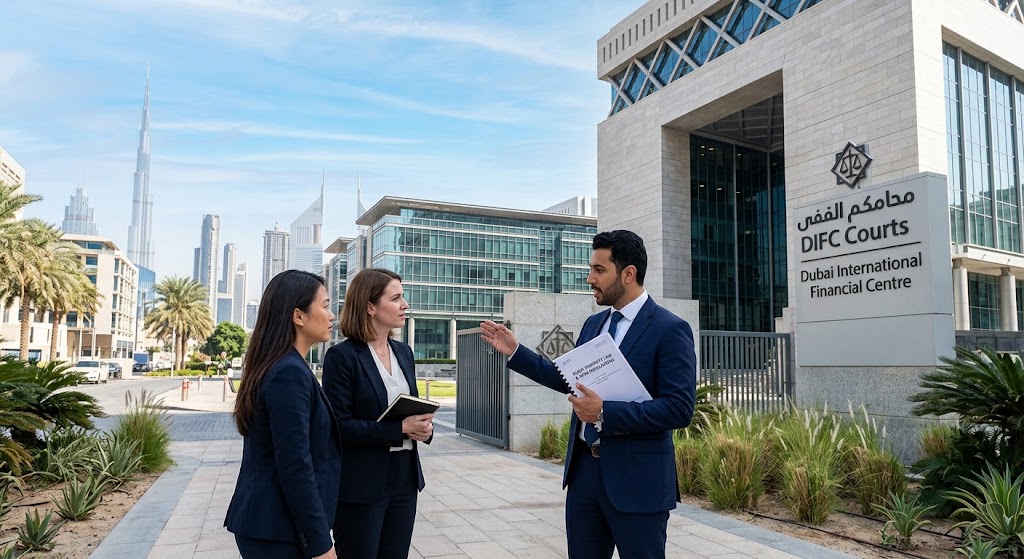
🏡 Types of Property Ownership
Understanding the different types of property ownership in Dubai is vital for foreign investors making informed decisions. There are two primary types: freehold and leasehold.
1. Freehold Ownership ✅👑
Freehold ownership grants foreign investors complete ownership rights to properties in designated areas across Dubai. Key features include:
- Full Rights: Owners can sell, lease, or transfer their property without restrictions.
- Residency Benefits: Grants access to 10-Year Golden Visas (AED 2M+, mortgaged/off-plan accepted) and 2-Year Taskeen Visas (AED 750k+).
This ownership model provides foreign investors permanent property rights, flexible capital exit options, and long-term UAE residency security.
2. Leasehold Ownership ⏳💼
In a leasehold arrangement, investors acquire the right to use a property for a specified period, typically up to 99 years. Key characteristics include:
- Temporary Rights: After the lease period, ownership reverts to the original property owner, limiting long-term investment potential.
- Common Usage: Leasehold properties are often found in areas not designated as freehold zones and are more prevalent in commercial real estate.
While leasehold ownership offers less control than freehold, it can still provide attractive investment opportunities in strategic locations.
⚖️🛡️ Key Regulations for Foreign Investors
To ensure a transparent and secure environment for property investment, the Dubai government has established several regulations aimed at protecting foreign investors.
1. Property Registration 📝🔑
All property transactions must be registered with the Dubai Land Department (DLD) to establish legal ownership. The registration process involves:
- Documentation: Buyers and sellers submit necessary documents like identification, purchase agreements, and title deeds.
- DLD Fees: A 4% transfer fee applies to purchases, alongside Oqood registration (4% plus admin fees) for off-plan properties.
- Title Deed: DLD issues final title deeds for AED 250 plus administrative innovation and knowledge fees upon completion.
Proper registration is essential to ensure buyers have legal claims to their properties and to prevent future disputes.
2. Regulatory Bodies 👮♂️📜
Several regulatory bodies oversee Dubai’s real estate sector, most notably the Real Estate Regulatory Agency (RERA).
a. Real Estate Regulatory Agency (RERA)
RERA regulates the real estate market in Dubai. Its functions include:
- Licensing: RERA licenses brokers, developers, and property management companies to ensure compliance.
- Rental Regulations: Governs lease renewals via the RERA Rental Calculator and enforces mandatory Ejari registration.
- Consumer Protection: Implements regulations to protect consumers and maintain a fair property market.
- Market Research: Conducts research and publishes reports on property trends, aiding investor decisions.
Understanding RERA’s guidelines is essential for investors to ensure compliance and protect their rights.
3. Anti-Money Laundering (AML) Laws 🚫💸🔒
Dubai has stringent AML laws to uphold its real estate market’s integrity. Key components include:
- Know Your Customer (KYC): Real estate professionals must perform KYC checks to verify buyer identities and fund sources.
- Reporting Suspicious Transactions: Any suspicious activities must be reported to relevant authorities, promoting transparency.
- Enhanced Due Diligence: Investors may face enhanced due diligence for high-value transactions or dealings with politically exposed persons (PEPs).
These regulations contribute to a secure investment environment and prevent illicit activities.
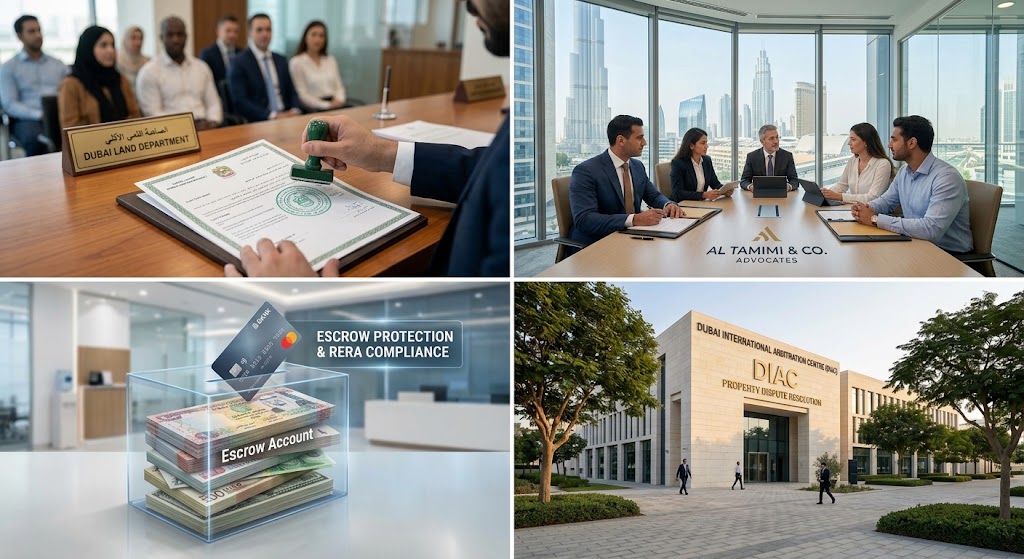
💲💰 Overview of Property-Related Taxes in Dubai
Individuals face zero personal income or property tax, but corporate entities incur 9% Corporate Tax over AED 375,000. Additionally, 5% VAT applies to commercial properties and broker fees, whereas residential purchases remain VAT-exempt or zero-rated within three years.
1. Dubai Land Department (DLD) Fees 🏛️💸
Primary transaction costs include the standard DLD transfer fee, typically settled by the buyer or split by mutual agreement:
- 4% Transfer or Oqood Fee: Levied on purchase price for ready properties, or via interim Oqood registration for off-plan units.
2. Additional Registration Fees ➕
Beyond the DLD transfer fee, investors must account for mandatory administrative registration expenses during ownership transfer:
- Registration Trustee Fees: AED 4,000 (+5% VAT) for properties worth AED 500k+, or AED 2,000 (+VAT) below AED 500k.
- Title Deed Issuance: Costs AED 250 alongside standard knowledge and innovation authority fees per registered transaction.
Factor in agent commissions (typically 2% + 5% VAT) and trustee charges to calculate true total acquisition outlay.
💡 Other Potential Expenses for Property Investors
In addition to acquisition fees and service charges, consider ongoing ownership costs:
- Housing Municipality Fee: A 5% civic fee applies to residential leases, collected monthly through DEWA utility bills.
- Ejari & Rent Caps: Mandatory lease registration via Ejari, with renewals governed by RERA Rental Index caps.
- Property Management Fees: If renting out, these fees cover services like tenant screening and rent collection.
✅ Conclusion
Understanding Dubai’s legal framework, regulations, and associated taxes and fees is critical for successful financial planning and investment. Familiarize yourself with ownership types, registration processes, and key regulations to navigate the market confidently.
🔑 Key Takeaways
Types of Ownership
- Freehold properties unlock residency pathways, including Golden Visas for purchases over AED 2M.
Property Registration
- Register transfers via DLD Trustee centers and record off-plan contracts with interim Oqood.
Regulatory Bodies
- Follow RERA rules regarding Ejari lease registration and rental calculator caps.
Understanding Costs
- Budget for 4% DLD fees, Registration Trustee costs, and 5% municipal housing fees.
Stay Informed
- Account for 9% Corporate Tax on company assets and 5% VAT on commercial deals.
By taking the time to understand the legal framework, regulations, taxes, and fees associated with property investment in Dubai, foreign investors can make informed decisions that lead to successful and secure investments in this dynamic market.

“Hi, I’m CS Tee (MySgProp.com), CEA licensed real estate advisor in Singapore since 2012. On top of Buy/ Sell/ Rent for Singapore property, we’re also market new launches for developers in various countries, i.e Malaysia, Indonesia, Thailand, Vietnam, Cambodia, UK, Australia and Dubai. If you or your friends need assistance with housing, feel free to refer them to us. We offer a generous referral fee as a token of our appreciation!”