Vietnam
Vietnam Property Guide for Singapore Buyers
A foreigner can own an apartment here outright — for 50 years, renewable once, inside a quota that fills quickly. You cannot own the land, and buying gives you no visa. This is what the law allows, what it costs, and how you get out again.
Ownership rules from the Law on Housing 2023 and Decree 95/2024 · market data from Savills Vietnam
Can a foreigner buy in Vietnam?
Three tests stand between you and a Pink Book. Most buyers fail the second one.
Have you entered Vietnam legally?
A valid visa or entry stamp. No residency, no work permit, no minimum stay — the visa type does not matter.
Is the project on the approved list?
The province publishes which developments are open to foreigners. A licensed project that is not on that list is closed to you, however good it looks.
Is there quota left in this tower?
30% of the apartments, counted building by building. Ask the developer to state the number in writing; if they will not, treat it as no.
If all three pass
You can buy an apartment in your own name on a 50-year term, renewable once. You still will not own the land, and the purchase still grants no visa — neither changes with the size of the cheque.
Ho Chi Minh City or Hanoi?
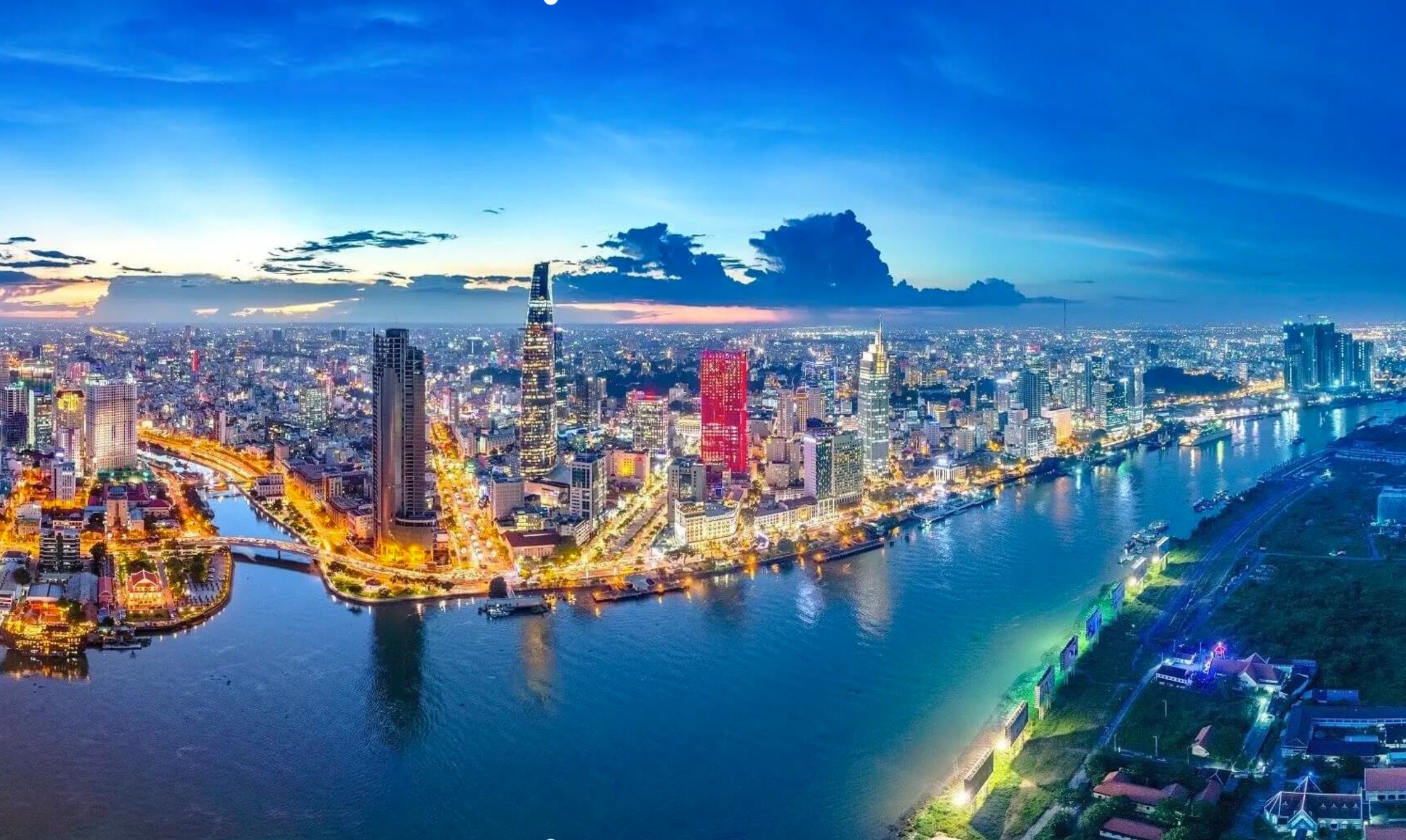
Two property markets, not one — the city decides the price you pay, the tenant you get and how easily you can sell. Figures below are Savills Vietnam’s own quarterly research.
| Ho Chi Minh City | Hanoi | |
|---|---|---|
| Price level | 80% of primary apartment prices exceeded VND 100m per sq m in Q2/2026 (≈ US$3,800) | No absolute figure published; Hung Yen, on Hanoi’s edge, prices at about 60% of Hanoi |
| Absorption | Market-wide about 32% in Q2/2026, still under pressure in Q3 | — |
| New supply | First 7 months of 2026: 37 projects cleared, 30 apartment projects = 21,165 units; more than 55% in the former Binh Duong area | 22 projects, ~13,700 apartments left in 2026; ~6,000 villas and townhouses this year, ~28,000 in 2027–29 |
| Who rents | Corporate expatriates, regional managers, finance and tech professionals on 1–3 year contracts | Diplomats, NGOs, the public sector and local capital — steadier, less foreign-driven |
| Infrastructure | Legal bottlenecks clearing; supply moving outward | Metro Lines 2A and 3 projects fell less than the market average; Ring Roads 3.5 and 4 under way |
| Liquidity | The deeper resale market; central and riverfront districts hold demand | Thinner; local buyers prefer new projects from known developers |
Swipe sideways to see every column
Sources: Savills Vietnam, HCMC Apartment Market Q3/2026 (21 Oct 2026) and Ha Noi residential property market Q2 2026 (10 Sep 2026). District-level ranges in agent reports are estimates; the VND 100m figure is published research.
How to read the choice
- HCMC costs more per square metre and rents more reliably.
- Hanoi is cheaper and slower. More end-user, thinner exit.
- Both are priced off infrastructure now. A metro line moves a district more than a brochure.
What you can own, and for how long
The dwelling, not the ground. That distinction explains the term, the quota and the resale rules.
| A Vietnamese citizen | You, as a foreigner | |
|---|---|---|
| Land | Land-use rights, indefinitely | Nothing — the building only |
| Apartments | Unlimited | 50 years from the Pink Book, once renewable |
| Houses, villas | Unlimited | Allowed today inside licensed projects, up to 250 per ward-sized area, under the current law |
| Per building | No cap | Foreigners collectively 30% of the apartments |
| Buy from | Anyone | The developer or another foreign owner only |
Swipe sideways to see every column
The clock, and where the deadline falls:
What it costs on top of the price
Vietnamese new-build prices are usually quoted before the add-ons. Budget 12–13% over the headline.
The registration fee is charged on the province’s assessed value, not the price you paid, which is why it looks small. The sinking fund is collected once, separately from the payment schedule.
The buying process, in six steps
Roughly 45–90 days from deposit to certificate on a completed unit. Off-plan runs to handover.
Confirm the unit is open to you
The project is on the approved list, the tower has quota, the unit is not in a defence or security zone. In writing. This is the step that sinks deposits.
Reserve, and keep the deposit small
A reservation is not a purchase. Developers may take up to 5% once the unit is eligible for sale; anything beyond that belongs to a signed agreement.
Sign the sale and purchase agreement
In Vietnamese, with a translation you can read. Check the payment schedule, the handover date, the penalty for delay, and who applies for your Pink Book.
Pay through the banking system
Every instalment traceable. Unexplained cash is what makes repatriation impossible later, whatever the property is worth.
Handover and the maintenance fund
Inspect against the specification, then pay the 2% sinking fund. Keep the handover minutes — they start the paper trail for the certificate.
Register and receive the Pink Book
The developer applies; you pay the 0.5% registration fee. The certificate records your 50-year term. Do not plan a resale before it issues.
Two documents people skip
- A lawyer’s review of the agreement. Developer paperwork is not independent advice, and the clauses that matter are written against you.
- Written confirmation of quota. Ask how many units in that tower are foreign-owned. If they will not say, treat it as no.
Holding it, letting it, selling it
The exit is where Vietnam differs most from Singapore. Three rules decide who can buy from you.
You sell to another foreigner
They get: only the remaining years on your certificate. The clock does not restart.
Price it on: what is left. A unit with 38 years sells differently from one with 49.
Condition: the building must still have quota room.
You sell to a Vietnamese citizen
They get: permanent ownership — the 50-year clock is extinguished, not transferred.
Price it on: the freehold market. Deeper pool, usually the stronger price late on.
Condition: none. Any citizen can buy.
the unit leaves the foreign pool permanently.
the law gives no route to acquire from a Vietnamese individual.
Renting is permitted. Rental income is taxable and the declaration sits with the owner, not the agent — budget 5% VAT plus 5% PIT above VND 100m a year before you underwrite a yield.
What the purchase gives you in residency
Nothing. Not a visa, not a residence card, not a work right.
What the Pink Book does not buy
- No visa. Entry stays on whatever visa you hold
- No residence card. There is no property-linked TRC
- No work right. Employment needs its own permit
- No path to citizenship. None exists through ownership
Entry is a separate matter: an e-visa gives up to 90 days, single (US$25) or multiple entry (US$50). Longer stays run through an investor or work visa attached to a Vietnamese company, or through family. A property purchase is not a factor in any of them.
Sources: Housing Law 2023 Art. 17–20; US Embassy Hanoi e-visa guidance; IFLR on the absence of a residency pathway.
What we have
Our Vietnam projects
Only projects still on sale: 9 in all, 8 in Ho Chi Minh City and 1 in Hanoi, 8 with a published price. Prices are shown as the developer publishes them — currency and unit type vary, and some quote a per-square-metre rate.
| Project | From | Completion | Tenure |
|---|---|---|---|
| HCMC8 on sale | |||
| VND8.17B | Completed | Leasehold | |
 Eaton ParkHCMC | US$5,127 PSM | 2027 | Leasehold |
| ₫3,271,207,014 | 2026 | Leasehold | |
| U$2,700 psm | 2024 | Leasehold | |
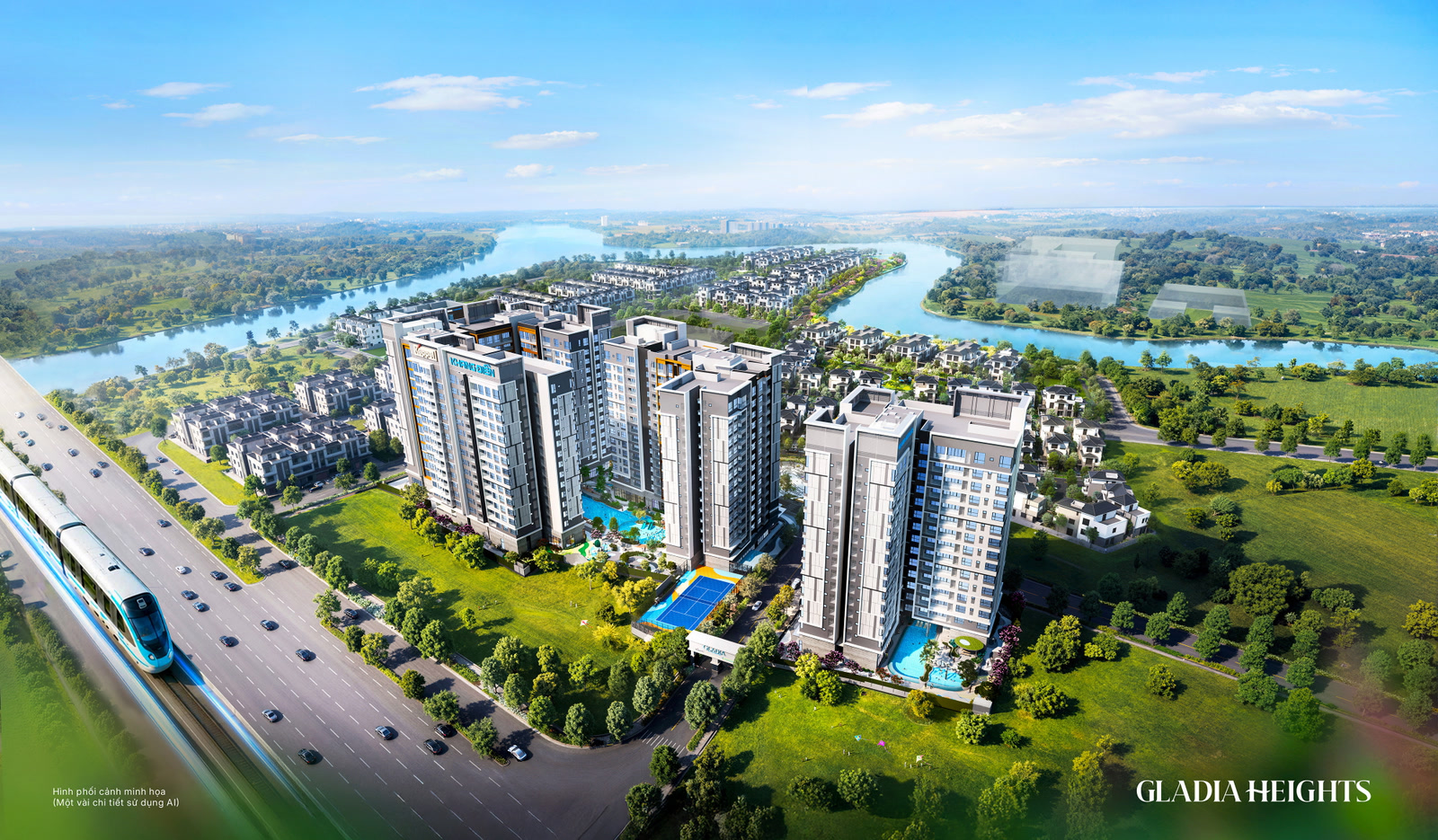 Gladia HeightsHCMC | USD 215K | 2027 | Leasehold |
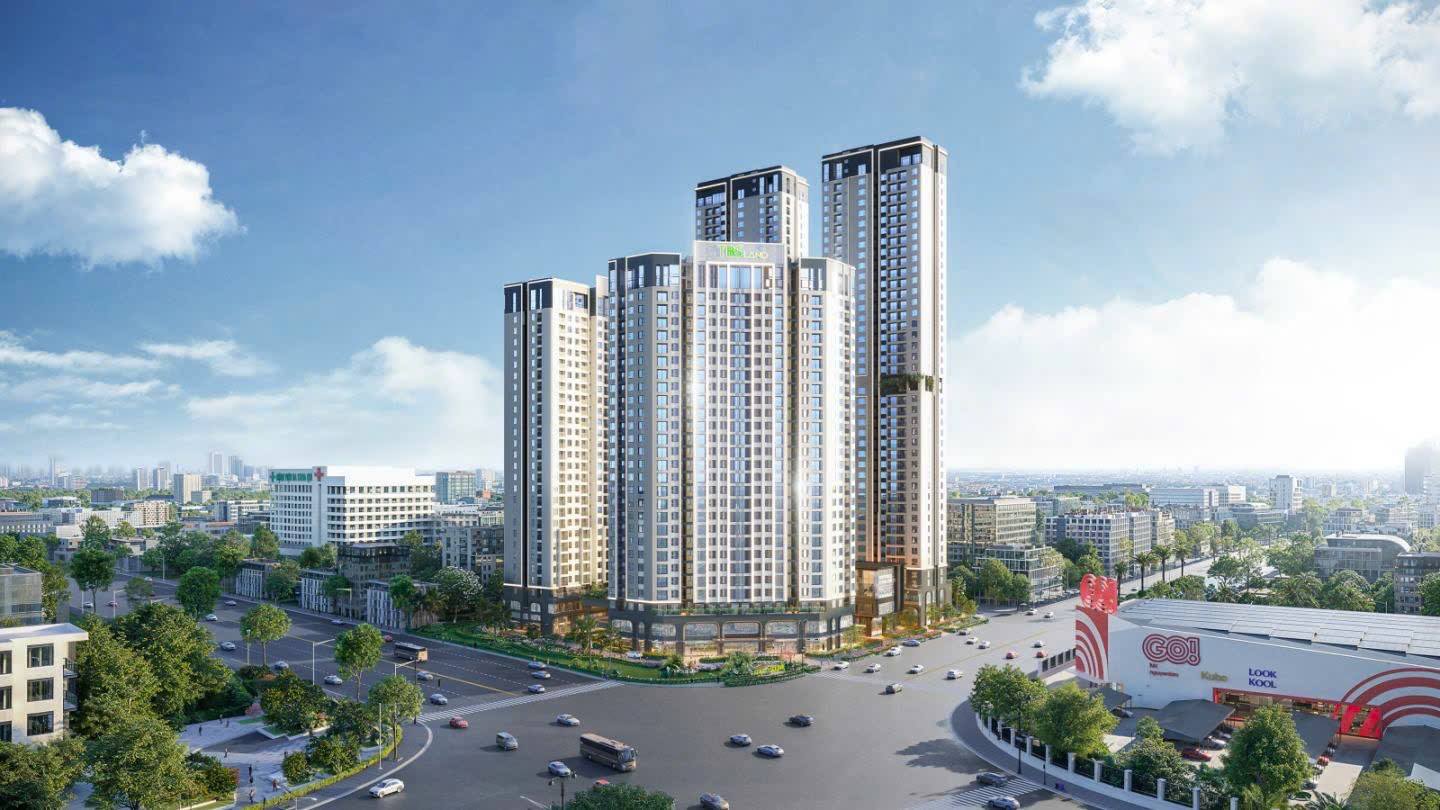 Green SkylineHCMC | $116,000 | 2027 | Leasehold |
| S$196K | Completed | Leasehold | |
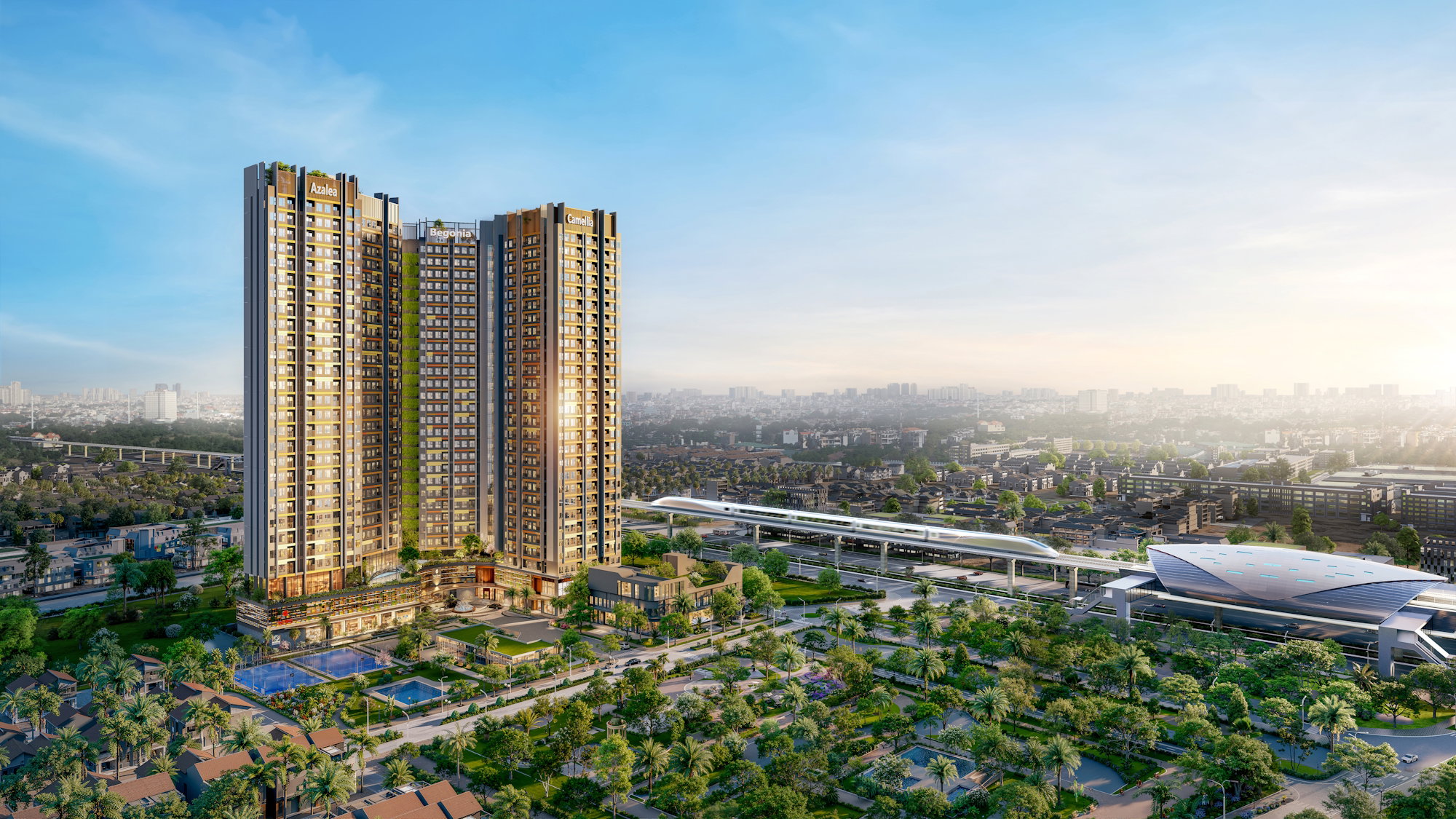 Setia EdeniaHCMC | ₫2,479,197,604 | 2027 | Leasehold |
| Hanoi1 on sale | |||
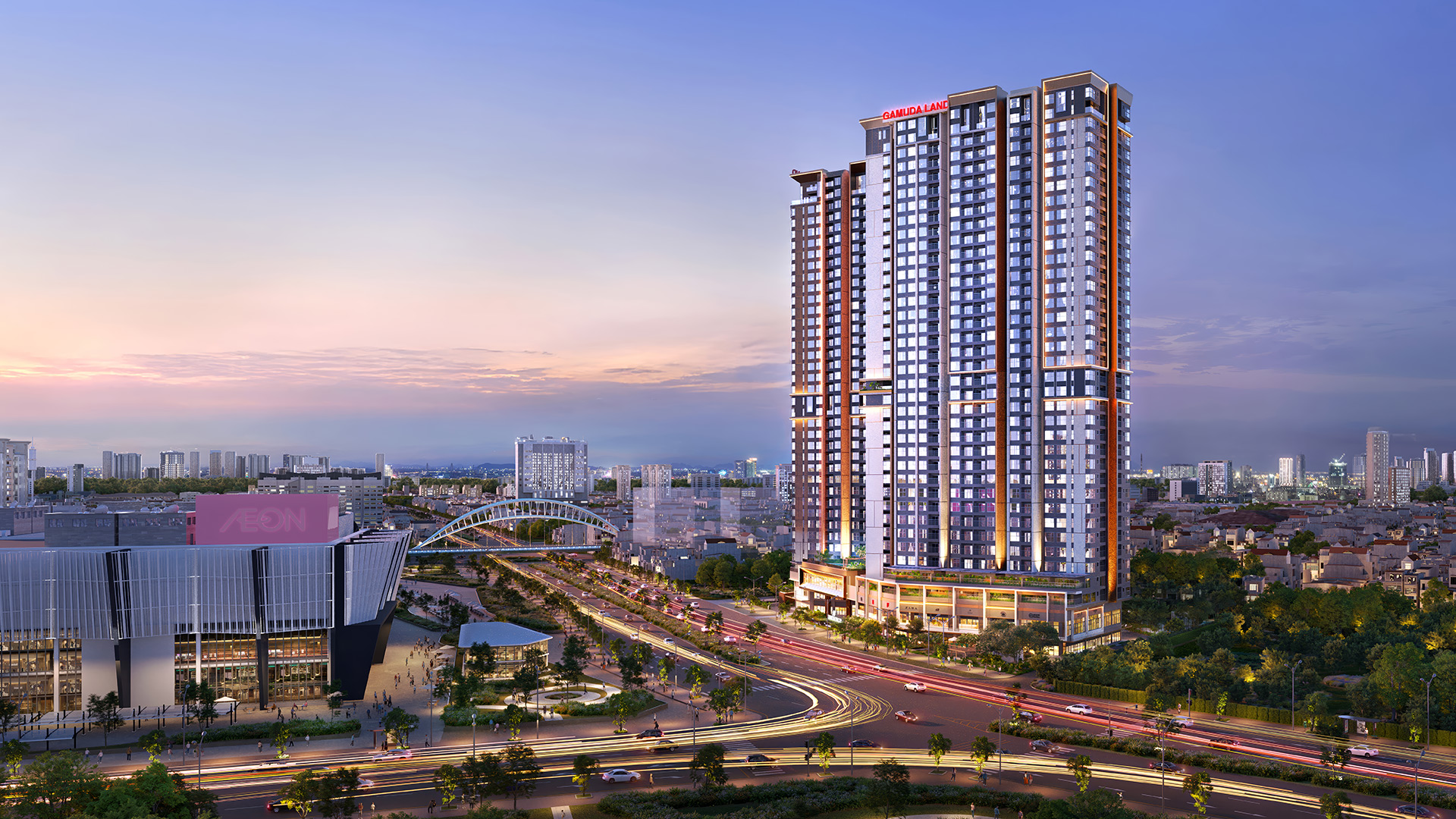 Ambience GamudaHanoi | On request | 2028 | Leasehold |


Questions
Frequently asked
01
Can a Singaporean own property in Vietnam?
Yes — an apartment, or a house inside a licensed project, in your own name, on a 50-year term that can be extended once. You must have entered Vietnam legally, and the unit must sit inside the building’s 30% foreign quota and on the province’s approved list.
02
Can I own the land?
No. Land is collectively owned and managed by the State. What you buy is the dwelling, with a time-limited right recorded in the Pink Book.
03
Can I buy a resale apartment from a Vietnamese owner?
No. The law allows a foreigner to acquire only from a developer or from another foreign owner — which is why the foreign-eligible resale market is thin.
04
What happens when my 50 years end?
You may apply once, at least three months before expiry, to extend for up to another 50 years. If the home is neither sold, gifted nor extended, it becomes public property.
05
If I sell to another foreigner, do they get a fresh 50 years?
No. They inherit the remaining years on your certificate and the clock does not restart. Price a second-hand unit on what is left.
06
Does buying get me residency?
No. Ownership grants no visa, no residence card and no work rights. Entry is on a visa — up to 90 days on an e-visa.
07
Can I get a mortgage in Vietnam?
Local banks generally do not lend to foreign buyers, so most purchases are cash. If you need financing, the practical route is a loan against assets in Singapore.
08
Can I take the money out when I sell?
Yes, provided the funds came in through documented banking channels. Keep the remittance records, the contract and the tax receipts.
09
Is the law changing?
A draft amendment to the Housing Law has been under discussion; it would remove foreign ownership of villas and townhouses and move the apartment quota to a Government-set figure. Under the current law, apartments remain open at 30% and the landed-house allowance stands. We re-check the status on every enquiry.
Tell us your criteria and budget — we will shortlist the projects and check the remaining foreign quota in each tower.
Comparing countries? Compare with other popular countries →