Guide to Singapore Primary Schools (SAP, GEP & Admission)
Singapore’s education system is renowned globally for its excellence, with primary education playing a pivotal role in shaping young learners. This guide provides a comprehensive overview of primary schools in Singapore, shedding light on the unique features of Special Assistance Plan (SAP) and Gifted Education Programme (GEP) schools, and demystifying the crucial admission and balloting process.

📚 General Overview of Primary Schools
Primary education in Singapore is compulsory and spans six years (Primary 1 to 6) for children aged 7 to 12. The curriculum provides a strong foundation in languages, mathematics, science, and social studies, with a significant emphasis on character education and soft skills.
Government Schools
These schools offer the national curriculum set by the Ministry of Education (MOE) at subsidized fees for Singapore Citizens.
Government-Aided Schools
Similar to government schools, but they also receive financial support from religious or community organizations, which may influence the school’s culture and values.
Independent Schools
These are private schools that have the autonomy to set their own curriculum, fees, and admission criteria, offering alternative educational pathways.
🌟 Specialized Programmes: SAP & GEP
Special Assistance Plan (SAP) Schools
SAP schools are a distinctive feature of Singapore’s education landscape, offering a bilingual education in English and Mandarin to nurture a deep appreciation for Chinese language and culture. There are 15 SAP primary schools:
- Ai Tong School
- Catholic High School
- CHIJ St. Nicholas Girls’ School
- Holy Innocents’ Primary School
- Hong Wen School
- Kong Hwa School
- Maha Bodhi School
- Maris Stella High School (Primary)
- Nan Hua Primary School
- Nanyang Primary School
- Pei Chun Public School
- Pei Hwa Presbyterian Primary School
- Poi Ching School
- Red Swastika School
- Tao Nan School
Gifted Education Programme (GEP) Schools
The GEP caters to students who demonstrate exceptional intellectual abilities, providing an accelerated and enriched curriculum. Students are selected through a rigorous screening process in Primary 3. There are 9 GEP primary schools:
- Anglo-Chinese School (Primary)
- Catholic High School (Primary)
- Henry Park Primary School
- Nan Hua Primary School
- Nanyang Primary School
- Raffles Girls’ Primary School
- Rosyth School
- St. Hilda’s Primary School
- Tao Nan School
SAP vs. GEP: Key Differences at a Glance
| Feature | SAP Schools | GEP Schools |
|---|---|---|
| Focus | Mother Tongue Language (MTL) & Bilingualism | Academically gifted students |
| Curriculum | National curriculum with a strong emphasis on Chinese language and culture | Enriched, differentiated curriculum with deeper topic exploration |
| Selection Process | Based on Primary 1 registration phases (e.g., location) | Rigorous selection tests in Primary 3 |
| Language of Instruction | English and Mandarin | English |
🤔 How to Choose the Right School
The choice between a SAP, GEP, or mainstream school depends on your child’s strengths, interests, and learning style. Here are five key factors to consider when making this important decision:
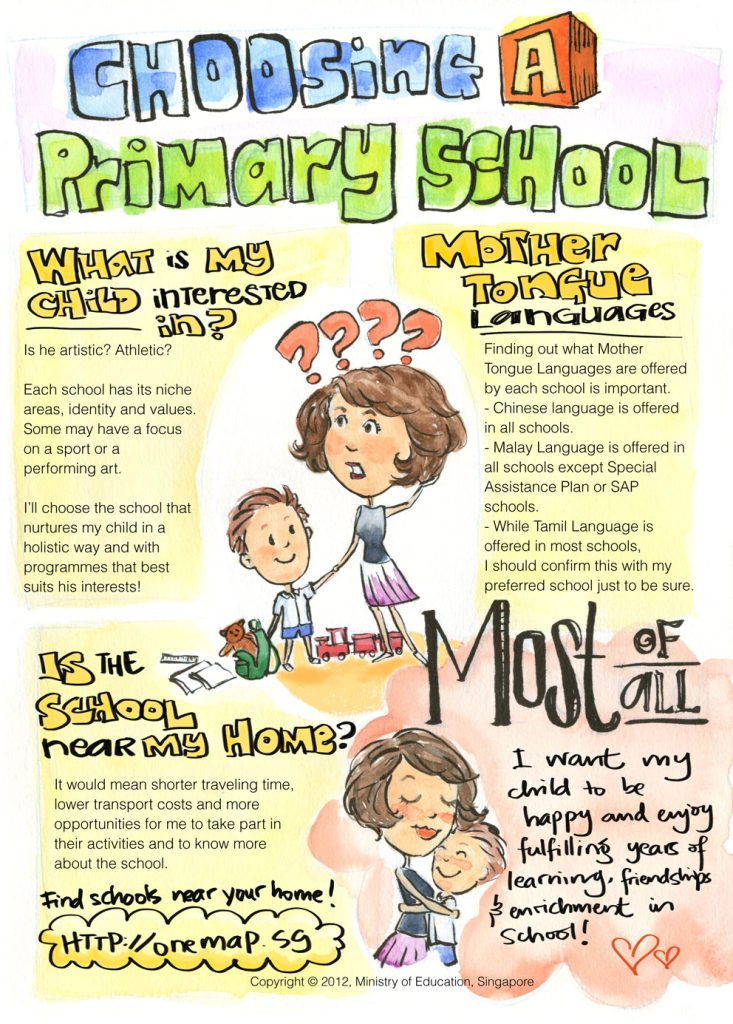
1. Match Passions with Programs
Does your child have a budding interest in music, sports, or art? Consider schools offering programs that nurture these talents and provide opportunities for exploration.
2. Find the Right Location
Think about the school’s location and commute. A shorter travel time allows your child more rest and energy for after-school activities or focused schoolwork.
3. Embrace Cultural Identity
For children with a strong cultural heritage, schools with robust Mother Tongue Language programs can foster deeper cultural connections and strengthen linguistic skills.
4. Understand the School Environment
Explore the school’s culture through visits and open houses. This helps you see if their values and learning style align with your child’s needs and your family’s values.
5. Address Special Needs
If your child has special educational needs, ensure the school offers the necessary support. Use the MOE SchoolFinder tool to research school offerings.
🔑 The P1 Registration Process
P1 registration is a fully online process via the official portal using your Singpass. Registration begins the year your child turns 6 for admission the following year. The process is divided into 5 main phases, and you can only apply to one school per phase.
Registration Phases
- Phase 1 (Sibling Priority): For children with an older sibling currently studying in the school.
- Phase 2A (Alumni Priority): For children of former students or those with close school connections.
- Phase 2B (Volunteer/Community Priority): For children whose parents have volunteered at least 40 hours at the school or are active community leaders.
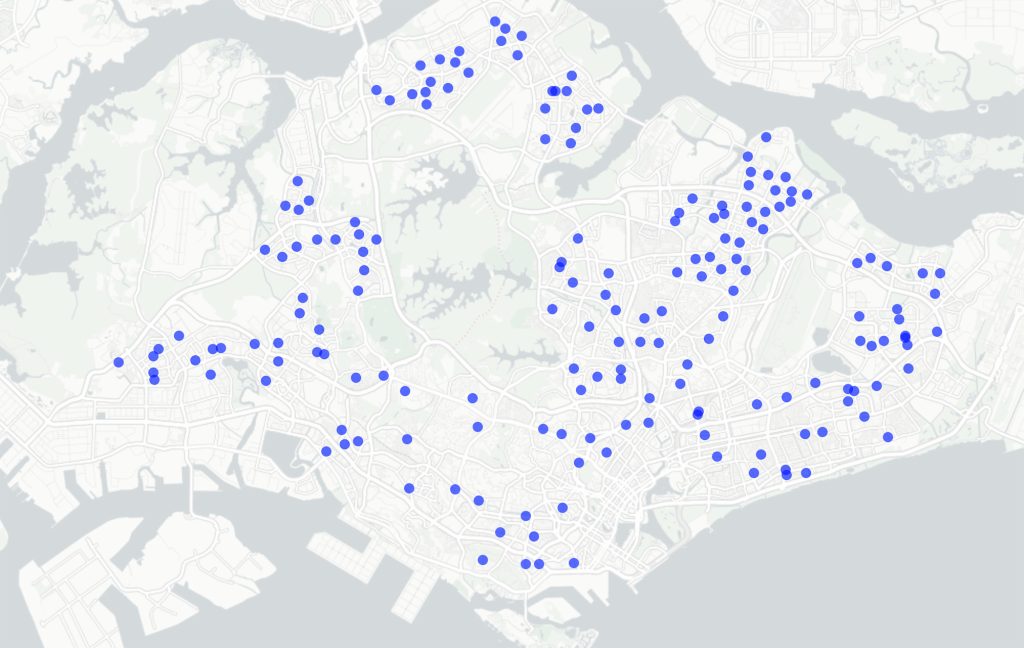
- Phase 2C (Distance Priority): Open to all Singapore Citizens (SCs) and Permanent Residents (PRs), with priority based on home-to-school distance.
- Phase 2C Supplementary: For any remaining applicants who were unsuccessful in Phase 2C.
💡 Pro Tips for P1 Application
Balloting Priority Order:
- Singapore Citizens (SCs) <1km
- SCs between 1-2km
- SCs >2km
- Permanent Residents (PRs) <1km
- PRs between 1-2km
- PRs >2km
Review Balloting Data
Check historical balloting data on the MOE website. This gives you a realistic view of your chances and helps you identify schools with better admission odds.
Prioritize Your First Child
Focus on securing a spot for your first child. Once admitted, younger siblings gain priority in Phase 1, making their admission process much more secure.
Explore Open Houses
Attend open houses to get a feel for the school’s culture. Speak with students and parent volunteers for candid insights that can help your decision-making.
📊 School Popularity Based on Phase 2B Data
Our understanding of popular schools is drawn from the Phase 2B registration data provided by the MOE, where popularity is the ratio of applicants to vacancies. While this data is a useful indicator, it’s crucial to remember that the most popular school isn’t always the best fit for every child.
| School Name | Phase 2B Vacancies | Phase 2B Applicants | Popularity (Applicants/Vacancies) |
|---|---|---|---|
| Methodist Girls’ School (Primary) | 20 | 79 | 3.95 |
| Tao Nan School – SAP & GEP | 23 | 61 | 2.65 |
| Ai Tong School – SAP | 20 | 48 | 2.4 |
| Holy Innocents’ Primary School – SAP | 21 | 50 | 2.38 |
| CHIJ St. Nicholas Girls’ School – SAP | 20 | 46 | 2.3 |
| Admiralty Primary School | 22 | 49 | 2.23 |
| St. Joseph’s Institution Junior | 38 | 84 | 2.21 |
| Catholic High School – SAP & GEP | 20 | 43 | 2.15 |
| Anglo-Chinese School (Junior) | 27 | 57 | 2.11 |
| Chongfu School | 25 | 51 | 2.04 |
| Kong Hwa School – SAP | 32 | 65 | 2.03 |
| St. Hilda’s Primary School – GEP | 20 | 40 | 2 |
| Anglo-Chinese School (Primary) – GEP | 28 | 55 | 1.96 |
| Nan Chiau Primary School | 41 | 79 | 1.93 |
| Nan Hua Primary School – SAP & GEP | 20 | 38 | 1.9 |
| Nanyang Primary School – SAP & GEP | 20 | 37 | 1.85 |
| Pei Hwa Presbyterian Primary School – SAP | 20 | 37 | 1.85 |
| Kuo Chuan Presbyterian Primary School | 31 | 54 | 1.74 |
| Rulang Primary School | 20 | 34 | 1.7 |
| Singapore Chinese Girls’ Primary School | 20 | 34 | 1.7 |
| … and many more schools … | … | … | … |
🤝 Looking for a Home Near a Top School?
Navigating the school admission process can be stressful, but living near your desired school provides a significant advantage. We’re here to help simplify your property search!
✨ Expert guidance on properties near popular primary schools
🎯 Strategic advice to help you gain proximity priority
📞 Free, no-obligation consultation and property analysis